A Caravana Solidária da LBV continua percorrendo o Brasil! Com a sua ajuda, centenas de famílias de São José, em Santa Catarina, terão um Natal mais feliz e digno. Valeu pela parceria, amigos! =D
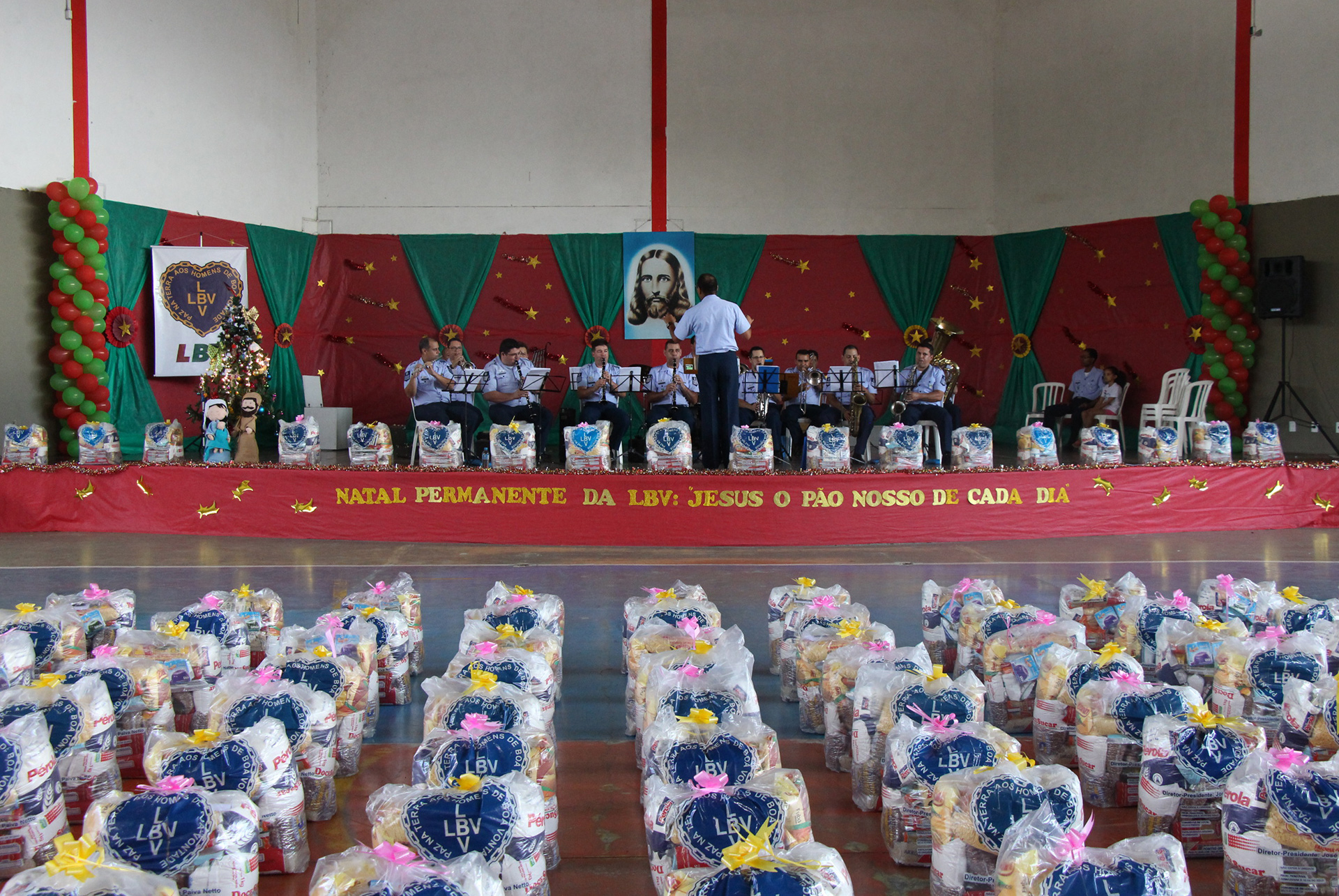
São José, SC — A Banda de Musica da Aeronáutica marcou presença alegrando todos os participantes do evento.
(Foto: Evelyn Cristina)São José, SC — Natal é época de união e solidariedade! A campanha de Natal da LBV leva às famílias a Solidariedade e a certeza de ceia farta com as cestas de alimentos. "Esses alimentos vão ajudar em nossa casa na alimentação do dia a dia", disse Clarice Teixeira da Silva.
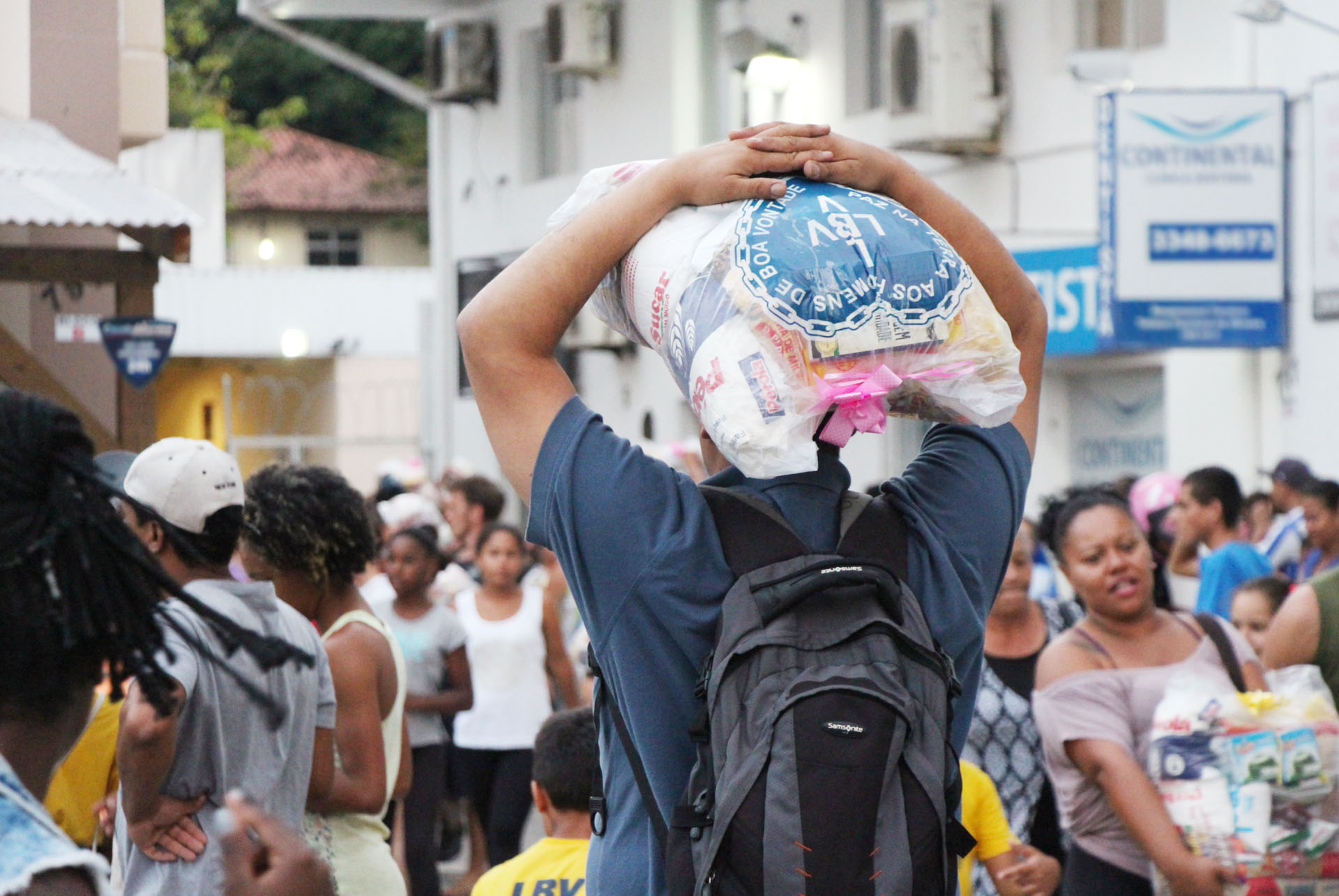
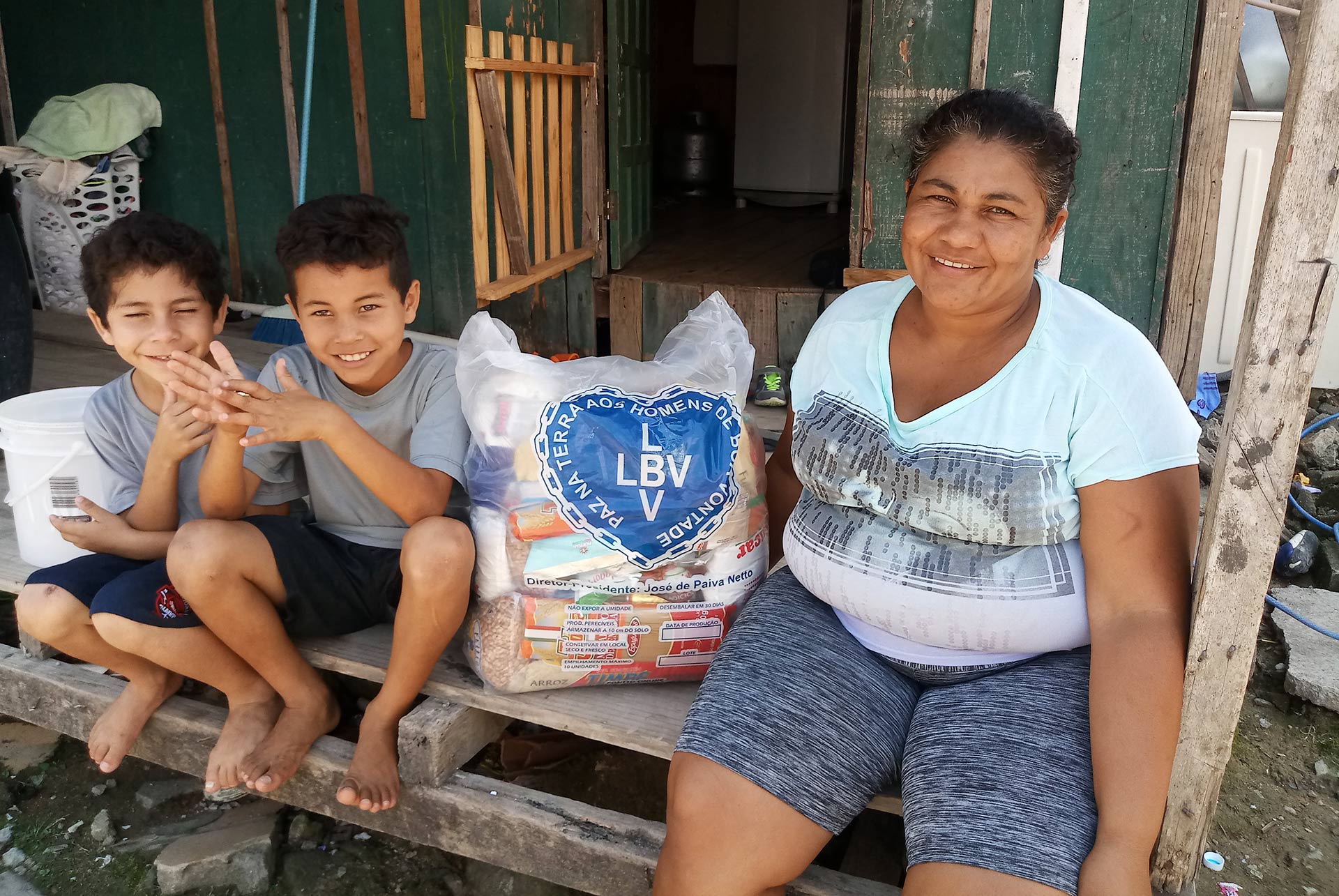
(Foto: Evelyn Cristina)São José, SC — Cada cesta tem arroz, feijão, óleo, açúcar, leite em pó, macarrão, farinha de mandioca e de trigo, fubá, goiabada, gelatina, massa para bolo, extrato de tomate e sal. Itens essenciais e básicos para ajudar no sustento da família.
(Foto: Evelyn Cristina)
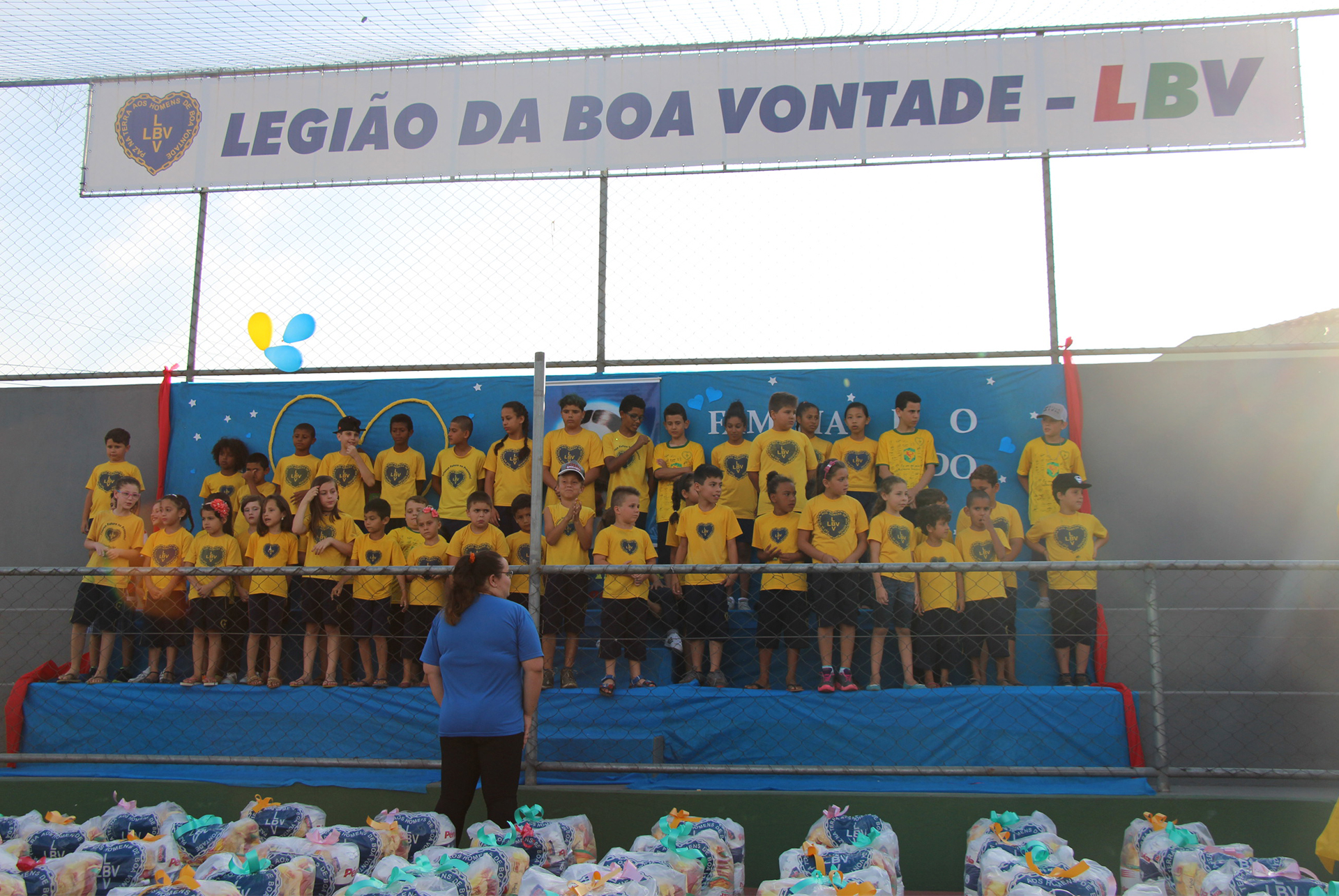
Joinville, SC — O Coral Ecumênico Infantojuvenil Boa Vontade, formado por meninas e meninos atendidos pelo programa Criança: Futuro no Presente!, abrilhantou a cerimônia. Na oportunidade, as crianças apresentaram canções de boas-vindas e que reforçam bons valores, como a união e o respeito ao próximo.
(Foto: valdir bigas)Joinville, SC — O Coral Ecumênico Infantojuvenil Boa Vontade, formado por meninas e meninos atendidos pelo programa Criança: Futuro no Presente!, abrilhantou a cerimônia. Na oportunidade, as crianças apresentaram canções de boas-vindas e que reforçam bons valores, como a união e o respeito ao próximo.
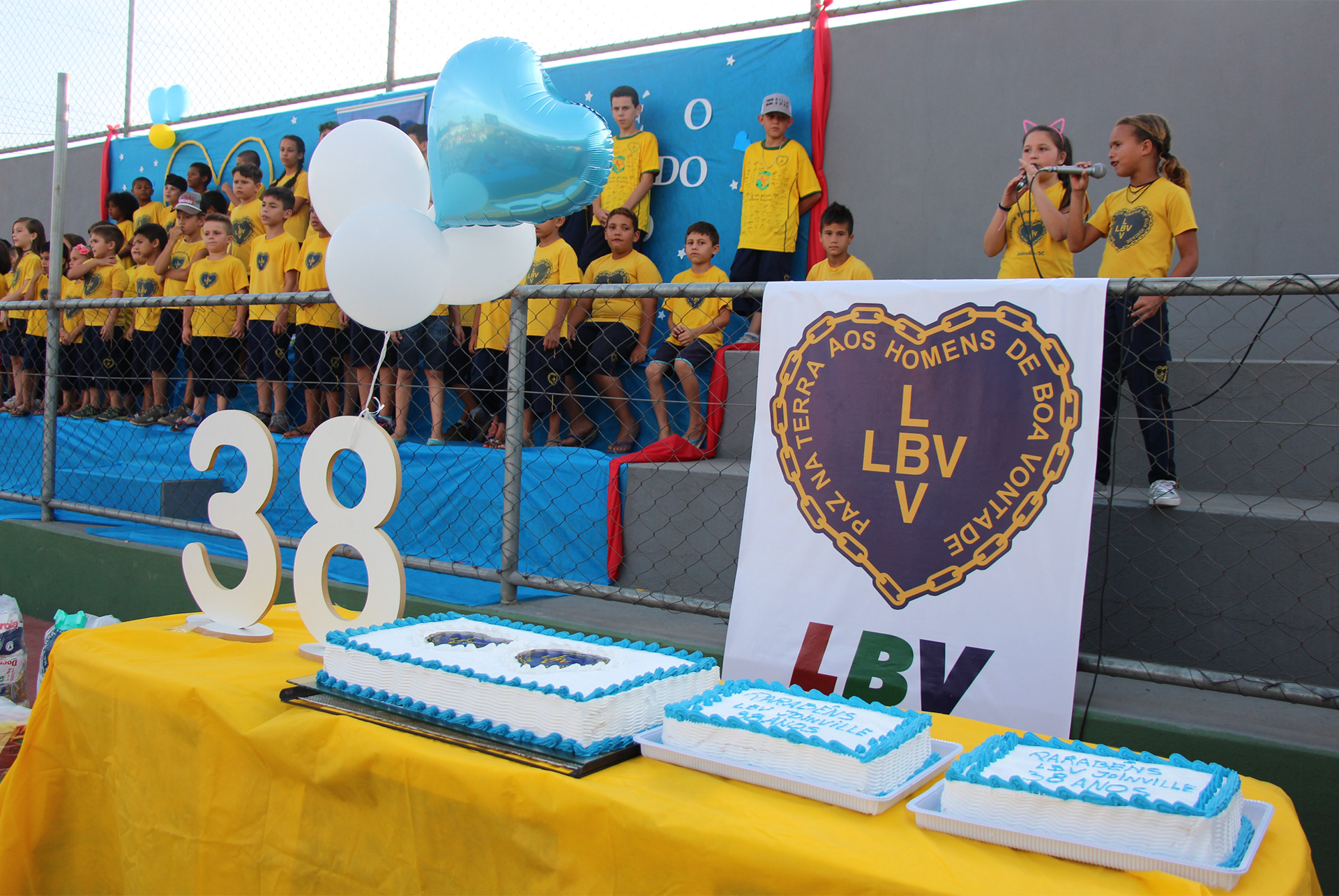
(Foto: valdir bigas)Joinville, SC — O bolo de aniversário da LBV estava uma delícia e as crianças atendidas aprovaram :]
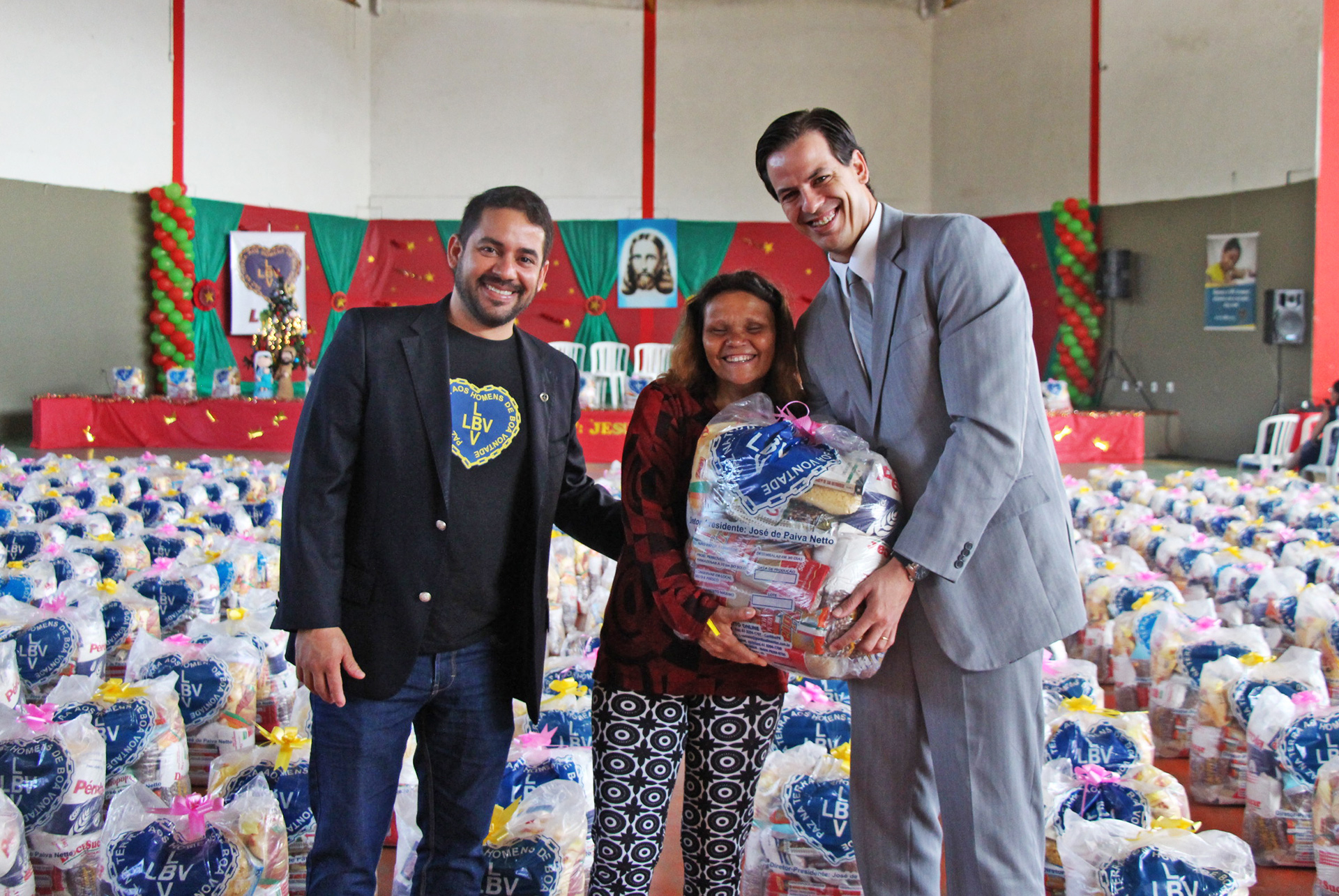
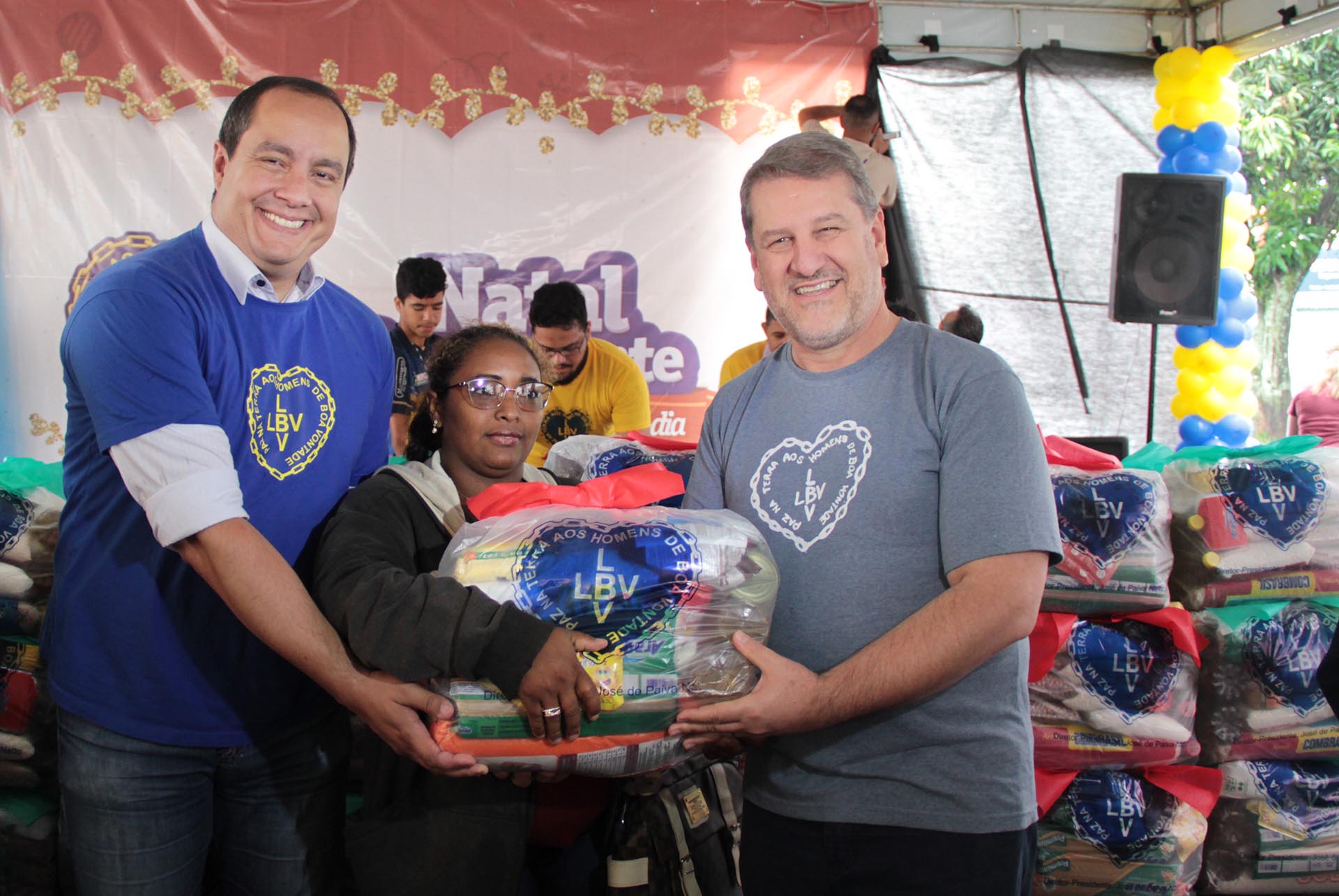
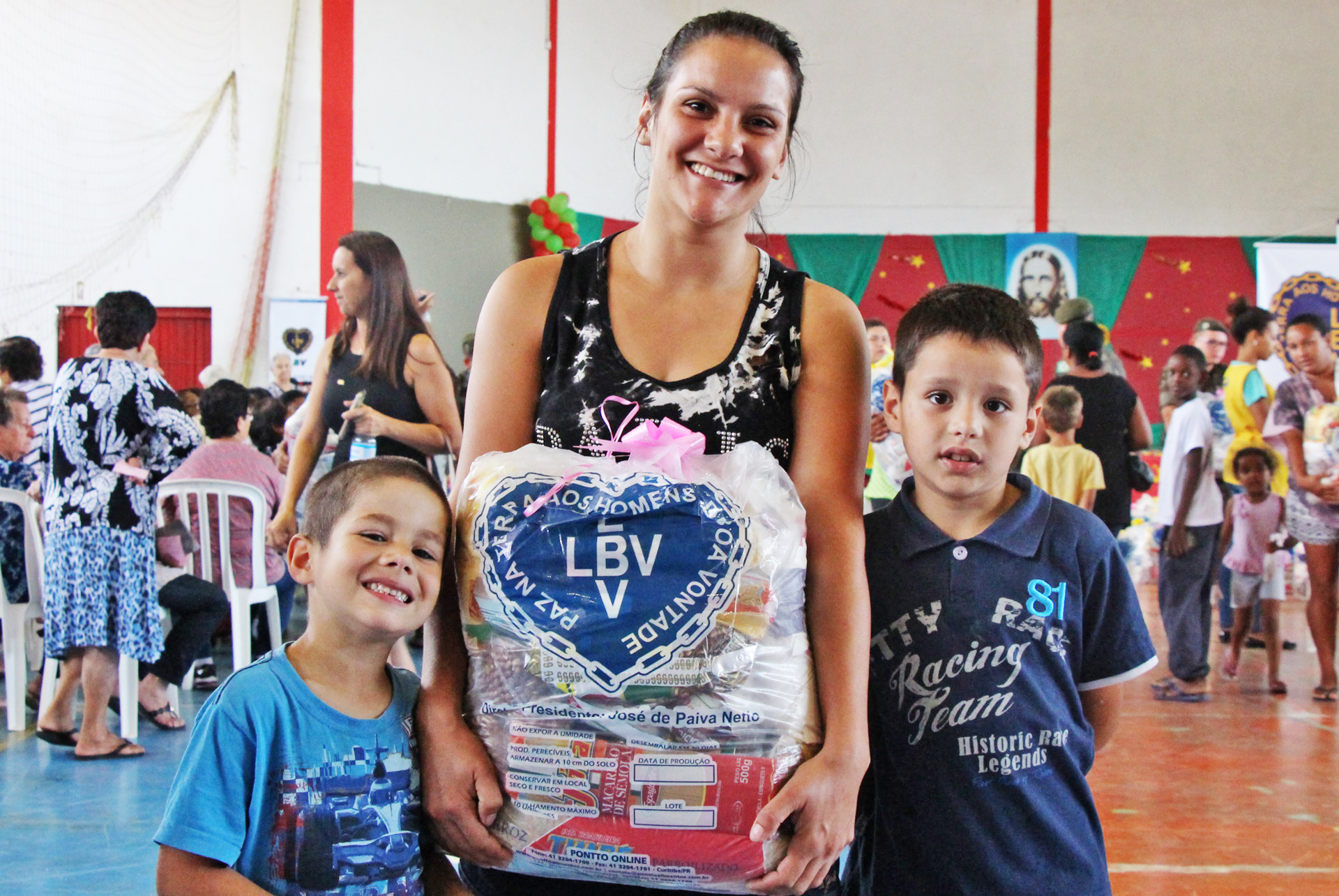
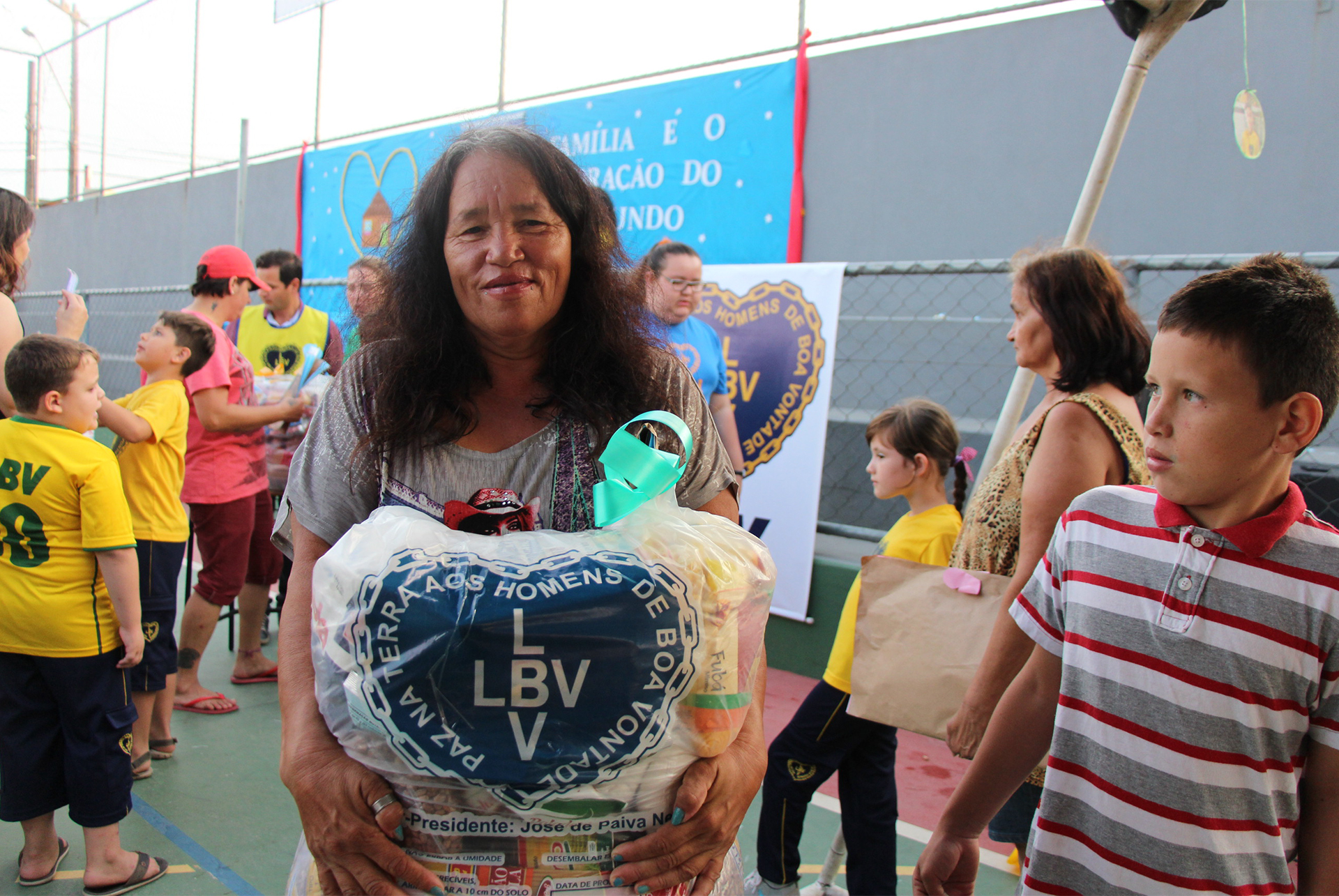
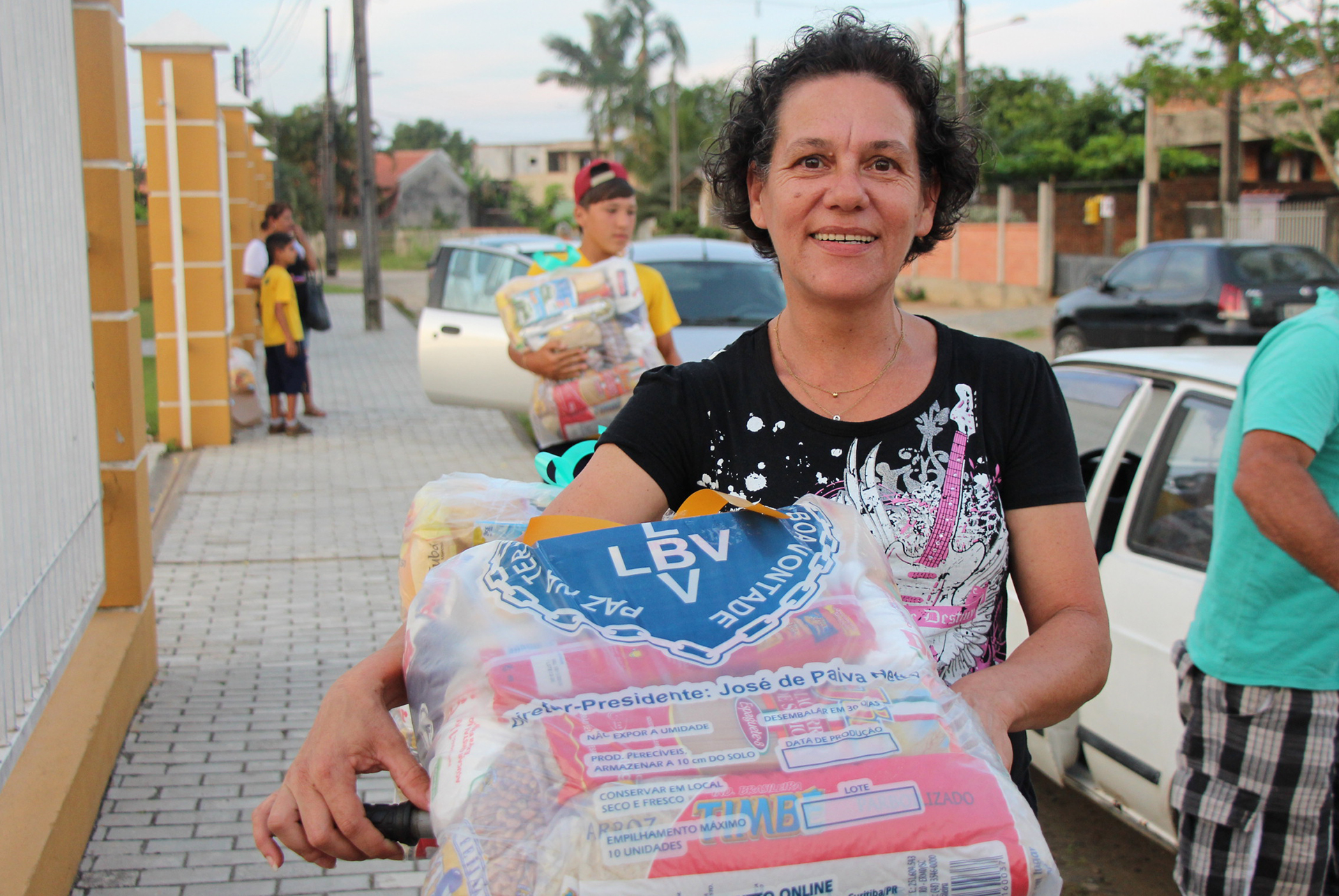
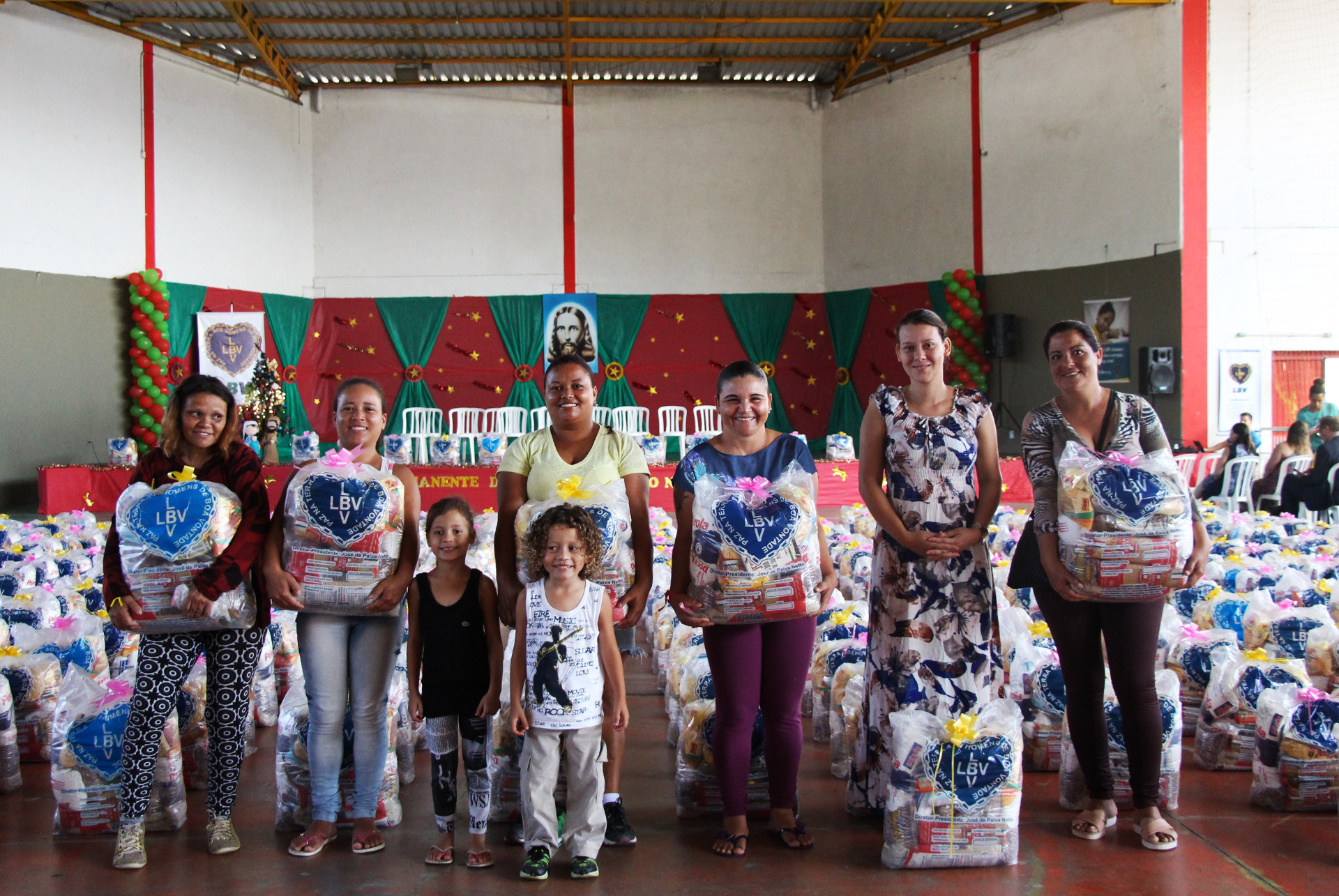
(Foto: valdir bigas)Joinville, SC — A importância de receber a cesta de alimentos é expressa no sorriso de cada pessoa beneficiada pela campanha.
(Foto: valdir bigas)Joinville, SC — Cada cesta tem arroz, feijão, óleo, açúcar, leite em pó, macarrão, farinha de mandioca e de trigo, fubá, goiabada, gelatina, massa para bolo, extrato de tomate e sal. Itens essenciais e básicos para ajudar no sustento da família.
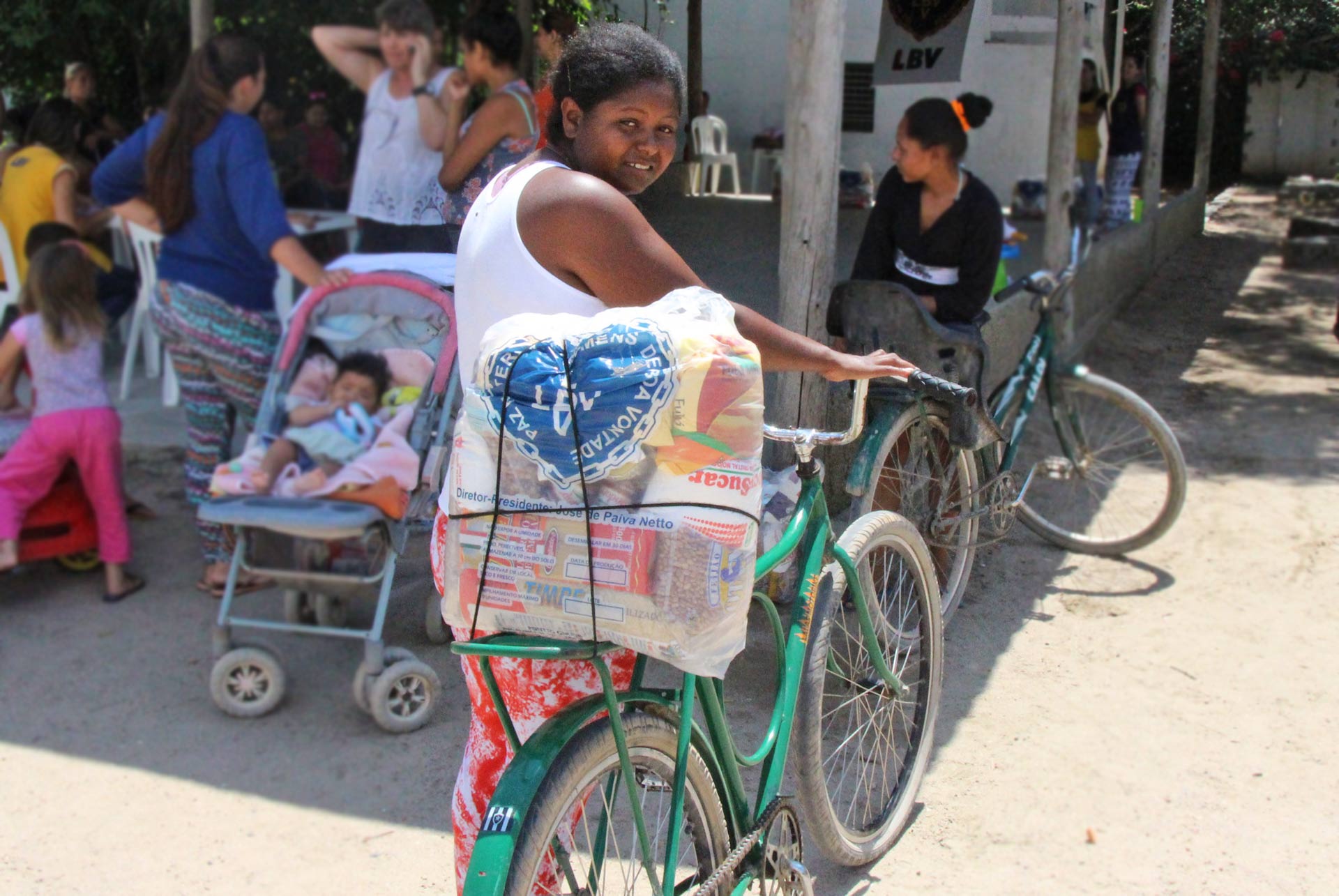
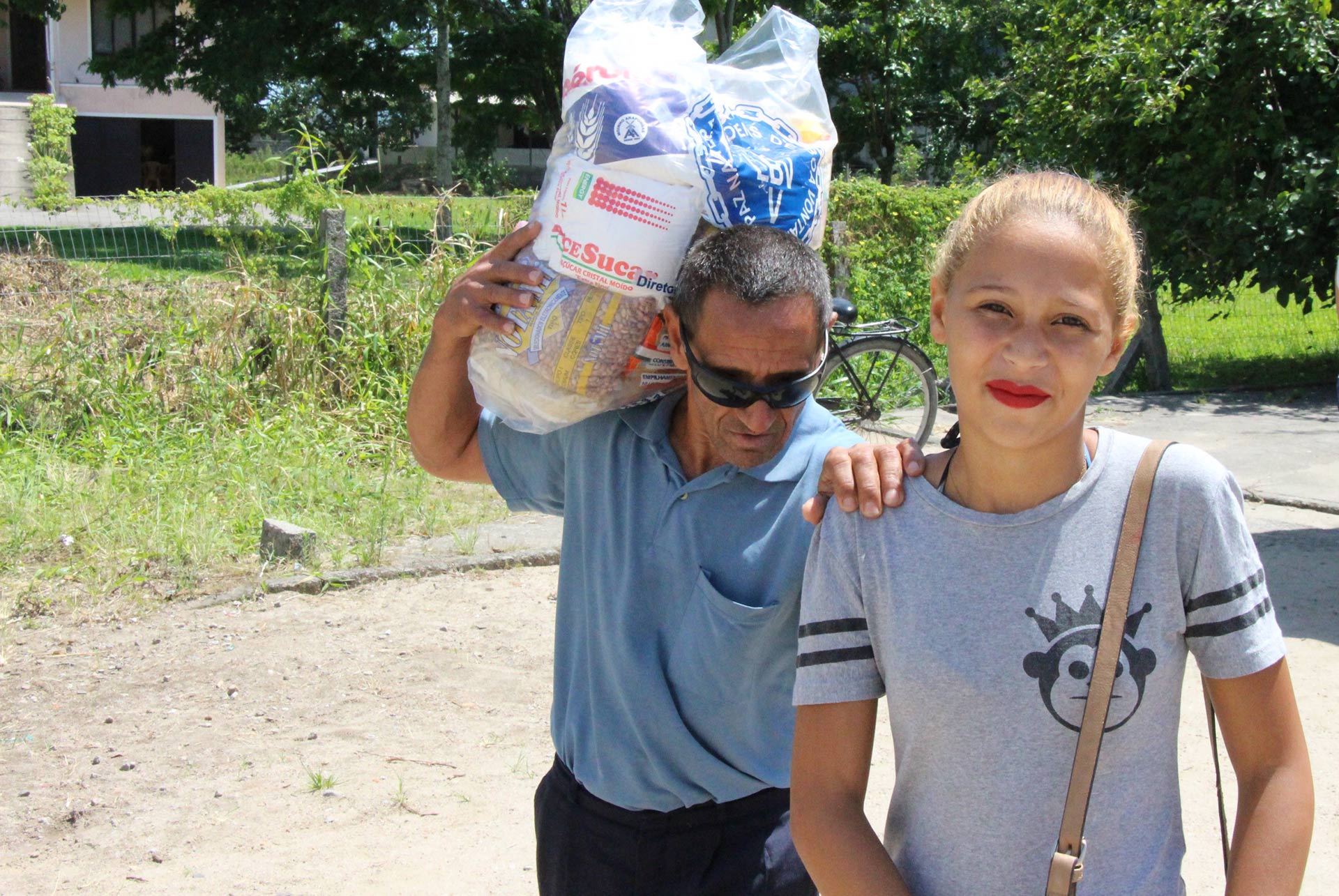
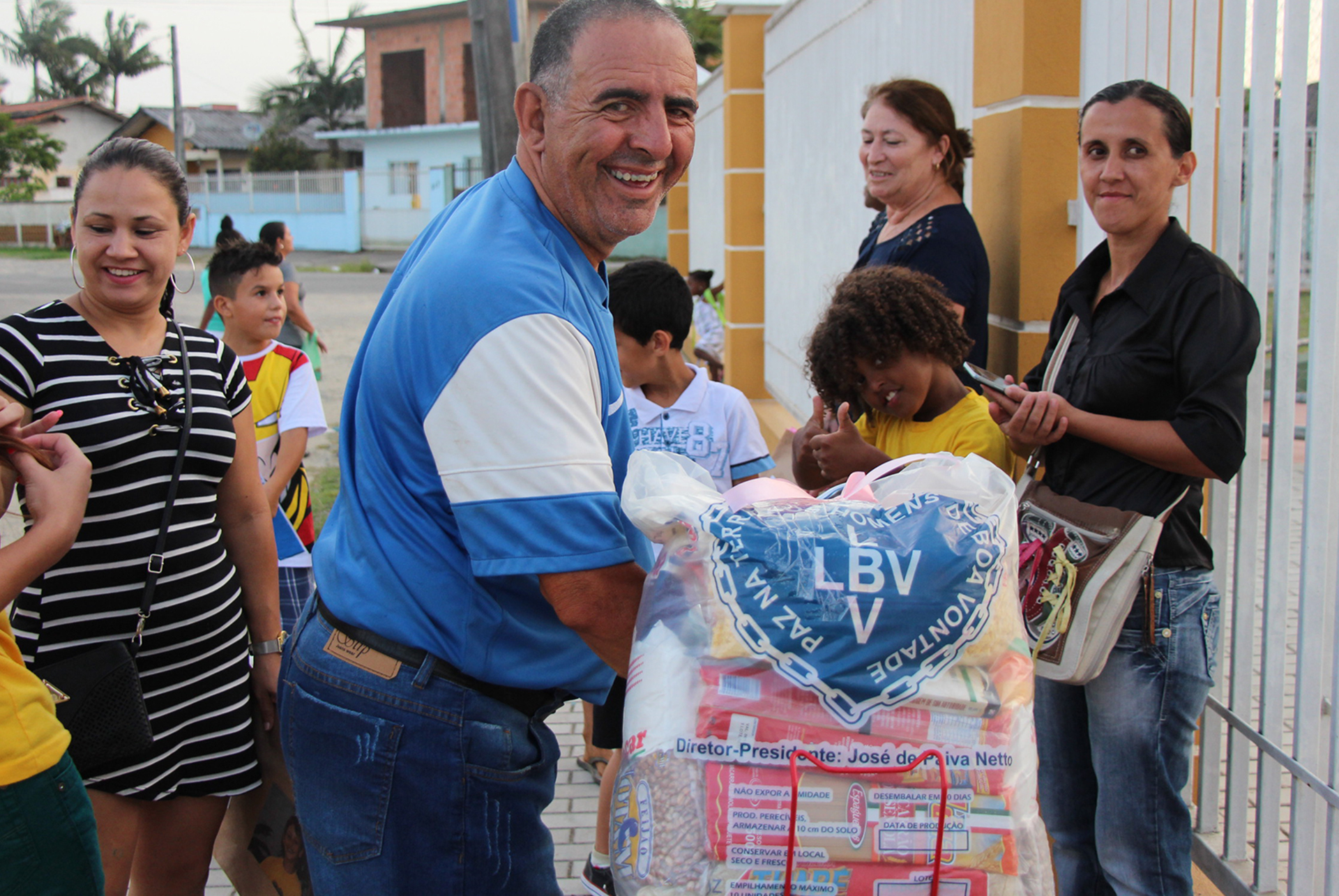
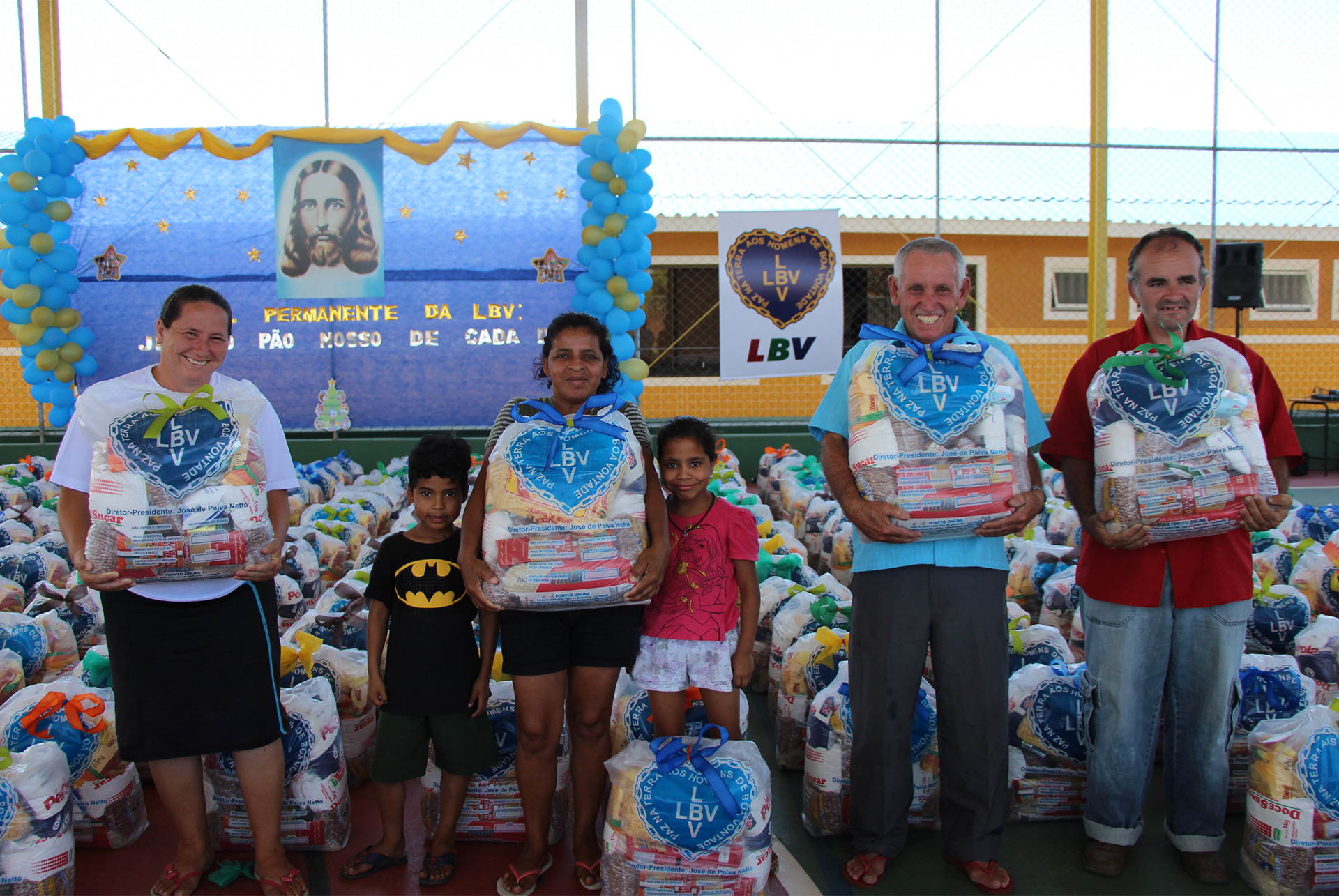
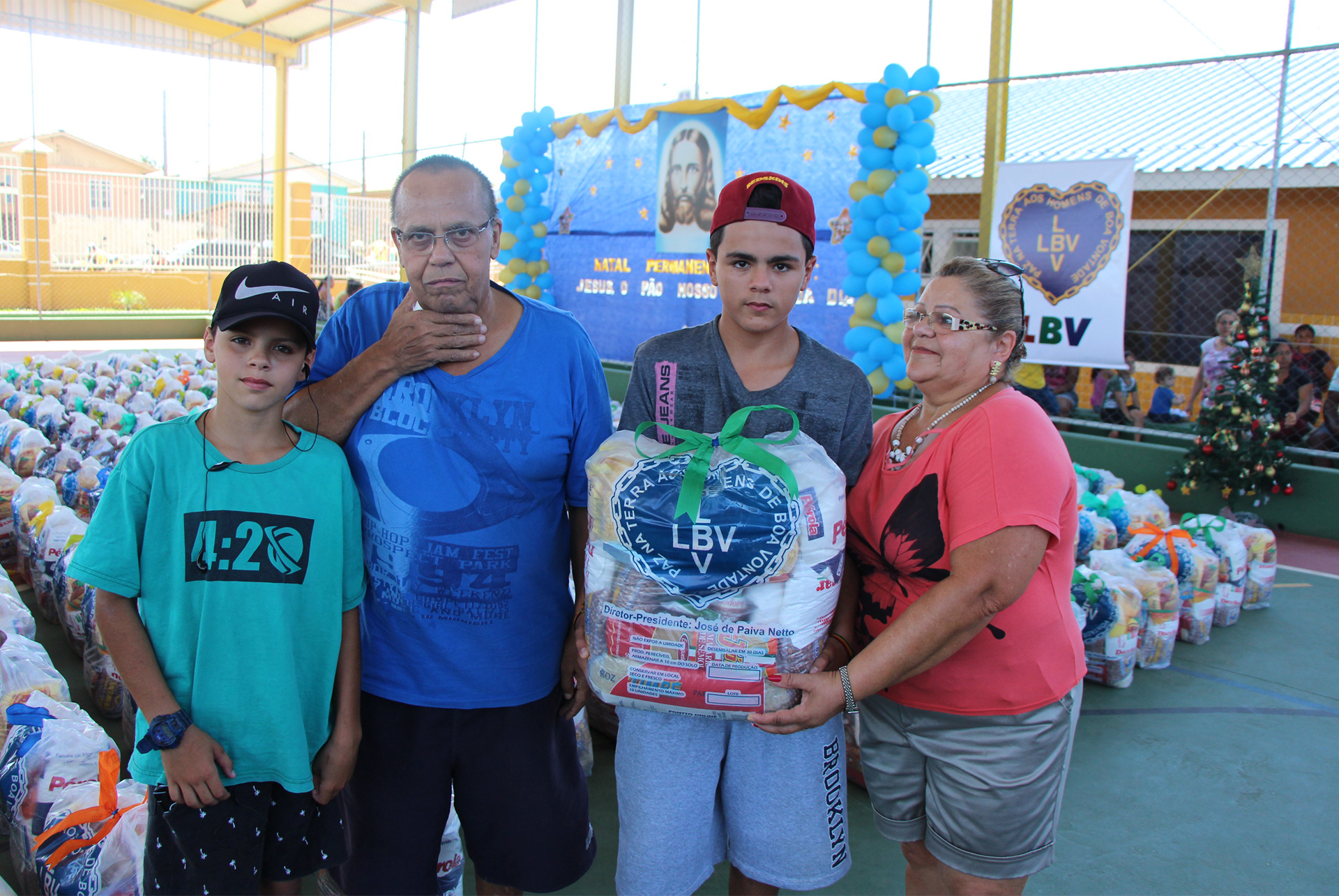
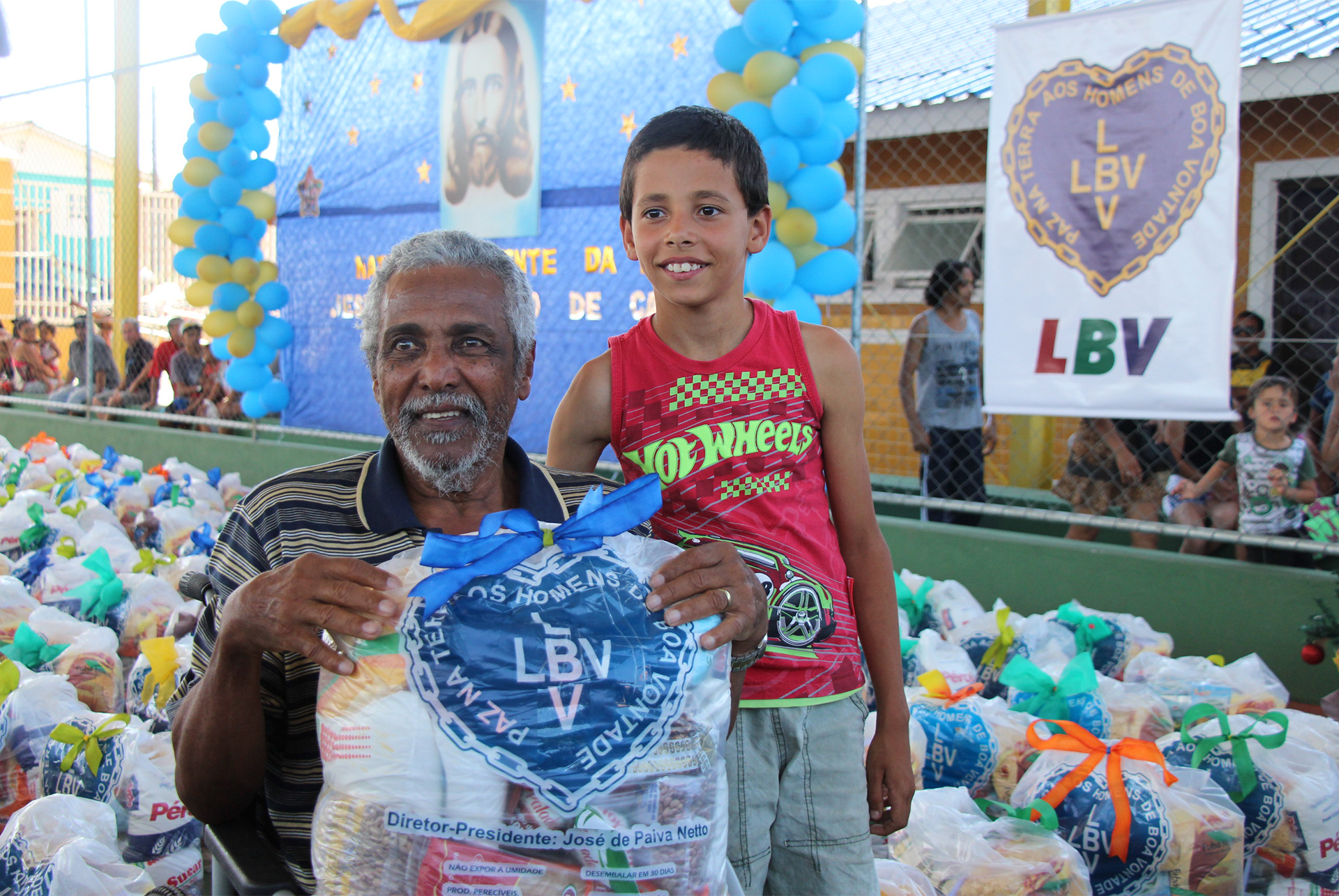
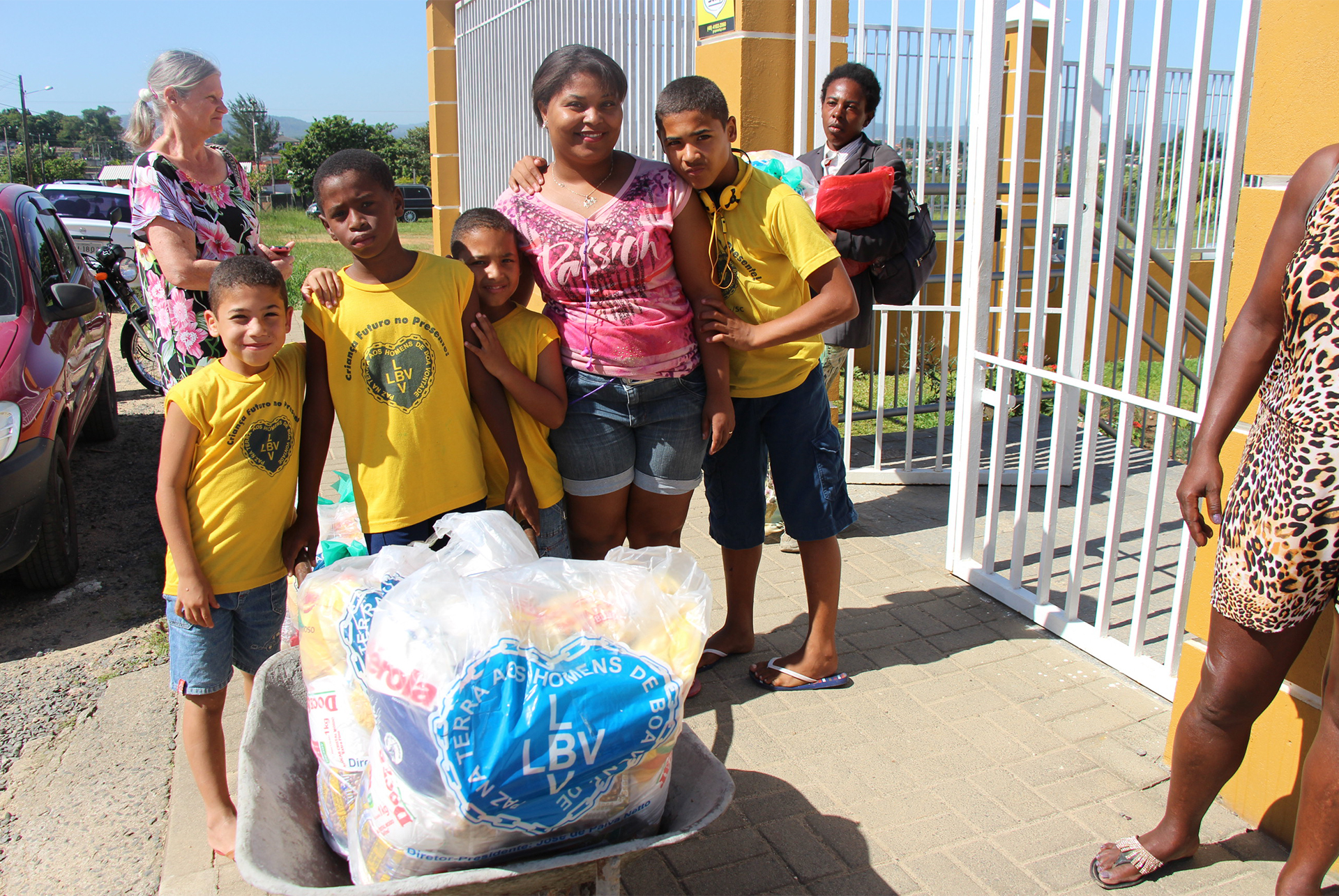
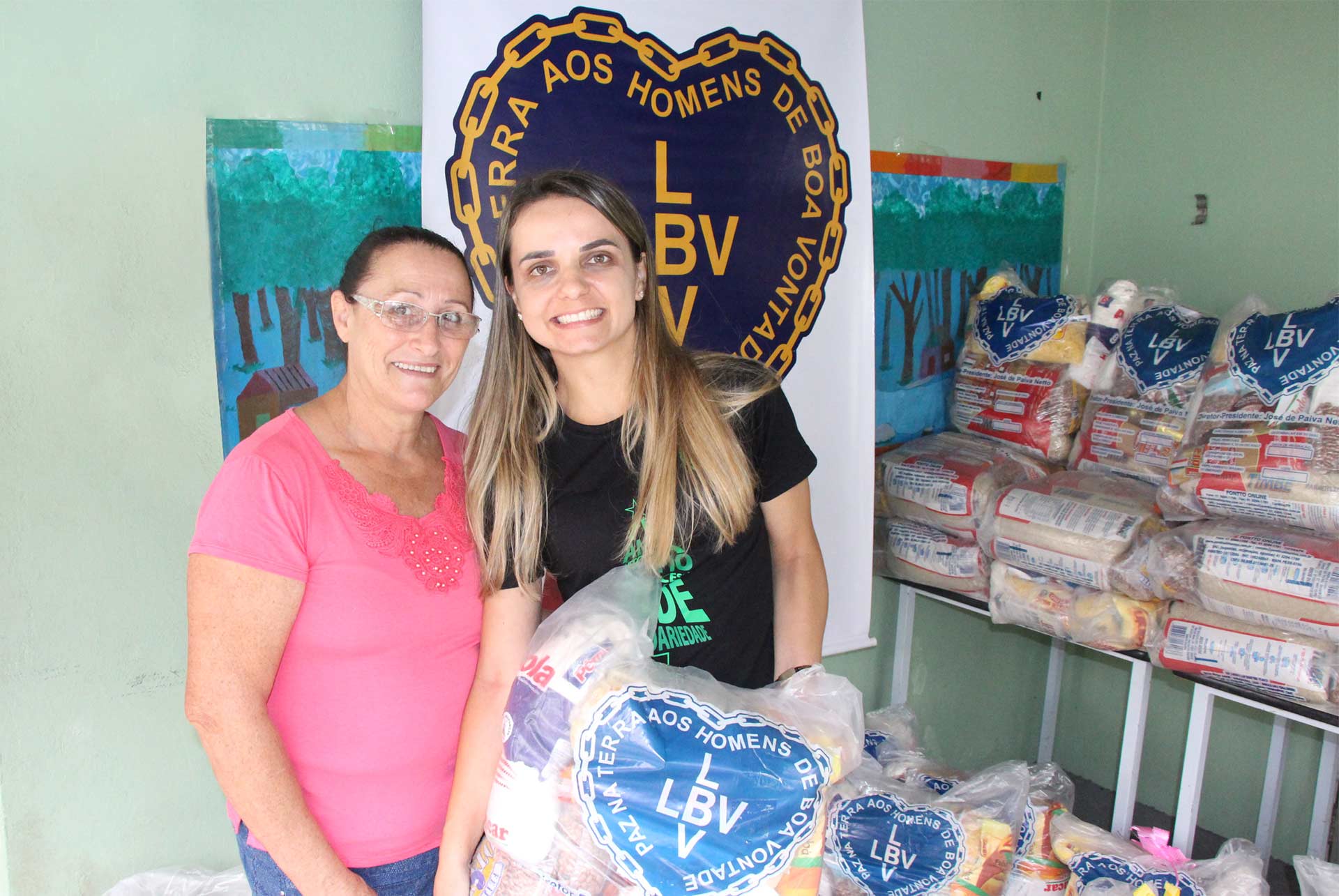
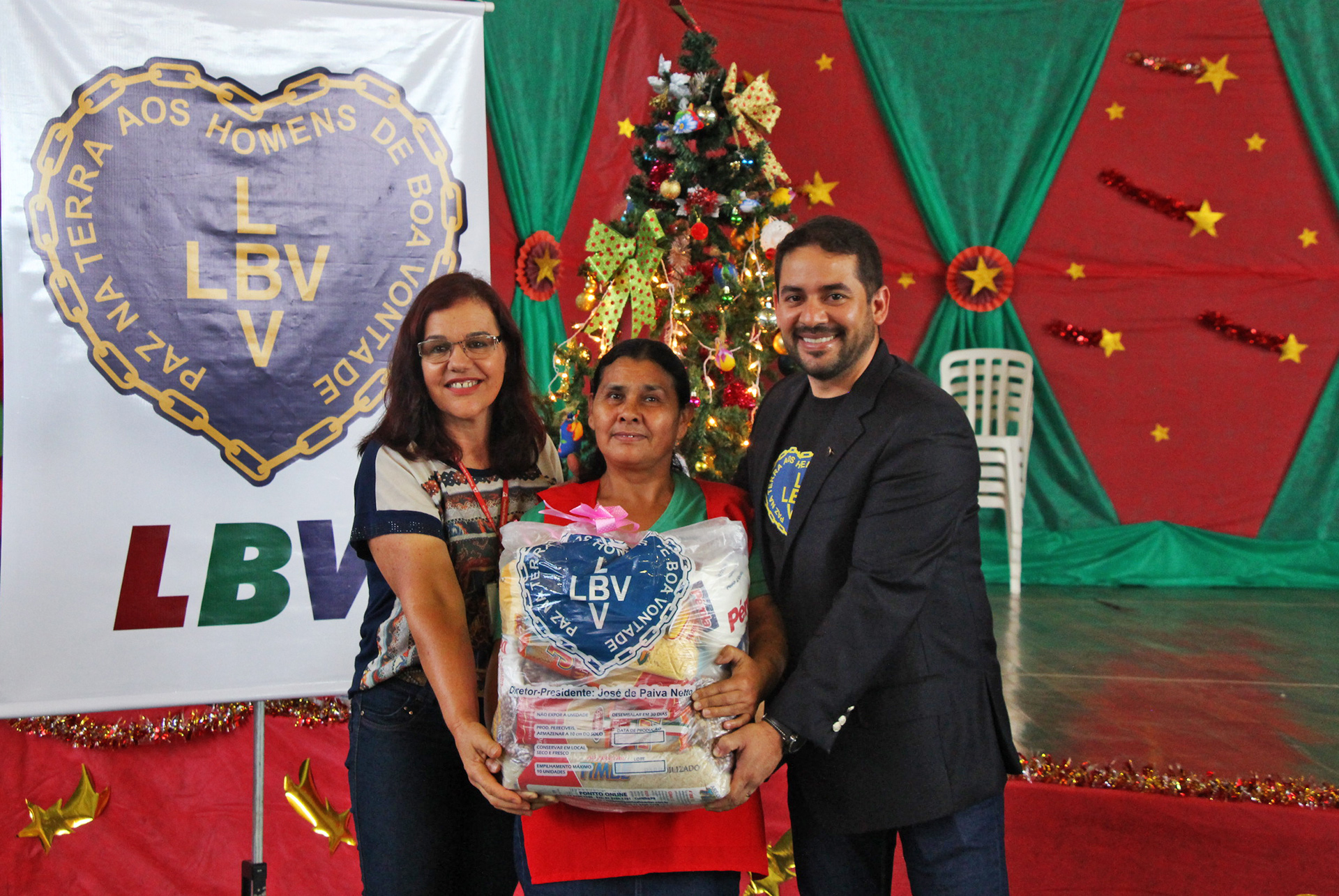
(Foto: valdir bigas)Joinville, SC — Todos os anos, a LBV garante um Natal mais feliz a milhares de famílias. Já é uma tradição a entrega de cestas de alimentos a famílias de baixa renda em todo o País! =]
(Foto: valdir bigas)Joinville, SC — A ação da LBV convida o povo brasileiro a se unir em prol de um Natal mais farto a famílias de baixa renda.
(Foto: valdir bigas)Joinville, SC — A atendida Maria Helena tem seu filho frequentando o programa Criança: Futuro no Presente!. "Esse trabalho da LBV nos emociona, muito obrigada", ressaltou a atendida.
(Foto: Valdir Bigas)Criciuma, SC — Do início ao fim do ano, a Legião da Boa Vontade proporciona melhor qualidade de vida a milhares de famílias brasileiras que vivem em situação de risco social. A campanha Natal Permanente da LBV — Jesus, o Pão Nosso de cada dia! é o coroamento do importante trabalho solidário que, há mais de seis décadas, é apoiado pelo povo.
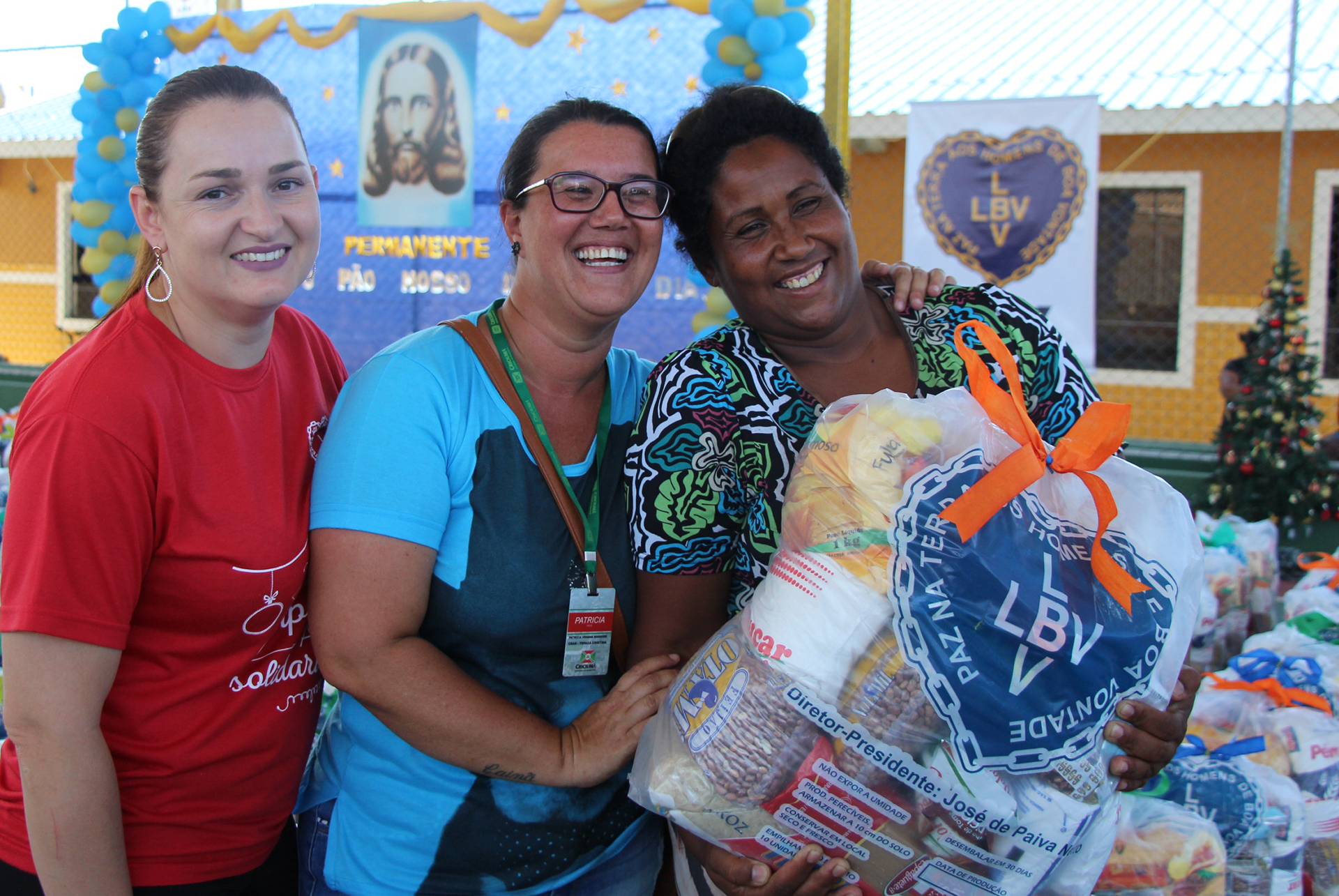
(Foto: Valdir Bigas)Criciúma, SC — Cada cesta tem arroz, feijão, óleo, açúcar, leite em pó, macarrão, farinha de mandioca e de trigo, fubá, goiabada, gelatina, massa para bolo, extrato de tomate e sal. Itens essenciais e básicos para ajudar no sustento da família.
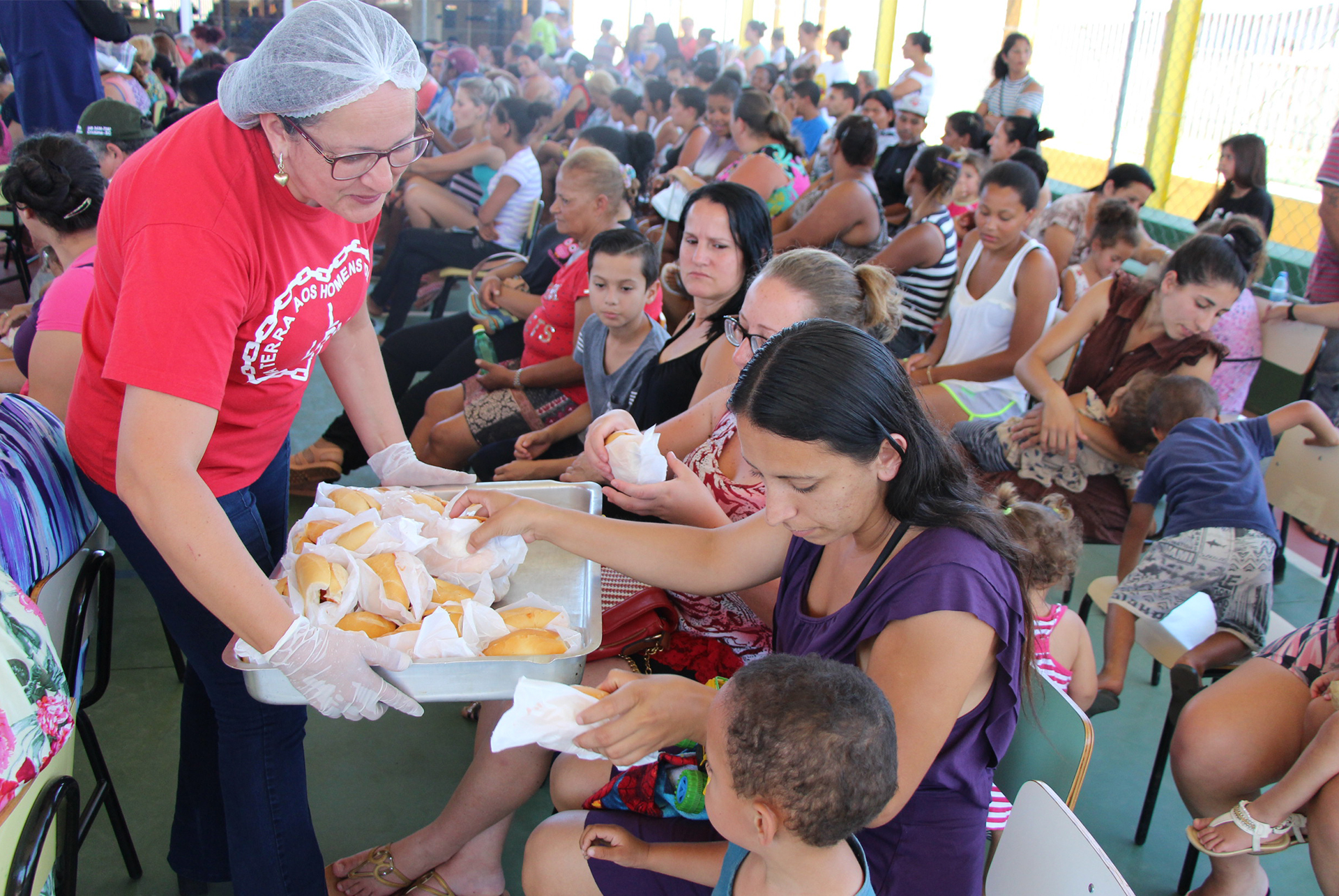
(Foto: Valdir Bigas)Criciúma, SC — Todas as pessoas presentes na confraternização receberam um lanche preparado com muito carinho pelos voluntários da LBV. A Presidente do Conselho Municipal de Assistência Social de Criciuma avaliou positivamente o evento: "Achei positivo o evento da LBV, eles se preocuparam até em dar um lanche e um suco às familias presentes".
(Foto: Valdir Bigas)Criciuma, SC — Maria Rita dos Santos disse que a Instuição mudou a vida dela e de seus netos. "Depois dos meus 50 anos de idade aprendi aqui na LBV o amor, a ser mais humana. Essa cesta de alimentos é uma benção de Deus, tenho recebido muita força aqui na LBV, meu neto que está de férias da escola e quer ficar aqui na colonia de férias de tanto que ele ama isso aqui".
(Foto: Valdir Bigas)Criciúma, SC — O senhor João Batista Inácio ficou agradecido com a confraternização da LBV: "Quem viu essa comunidade aqui antes da LBV chegar aqui, não acredita a mudança que ela fez aqui, a LBV é o orgulho, o bom orgulho para todos os moradores de Criciúma, a LBV representa tudo na vida dessas familias"
(Foto: Valdir Bigas)Criciuma, SC — Natal é época de união e solidariedade! A campanha de Natal da LBV leva às famílias a Solidariedade e a certeza de ceia farta com as cestas de alimentos.
(Foto: Valdir Bigas)Criciuma, SC —Ao centro, a senhora Patricia Vedana Marques, Presidente do Conselho Municipal de Assistência Social e Técnica responsável do CRAS Tereza Cristina, participou da entrega das cestas, ao seu lado esquerdo Monica Zeferino Assistente Social da LBV.
(Foto: Valdir Bigas)Biguaçú, SC — Em todo o Brasil, por meio da campanha Natal Permanente da LBV — Jesus, o Pão Nosso de cada dia!, foram distribuídos 1 milhão de quilos de alimentos não perecíveis a mais de 50 mil famílias.
(Foto: Valdir Bigas)Biguaçú, SC — No município, as famílias beneficiadas pela campanha da LBV são atendidas pela APAE, entidade parceira da Instituição.
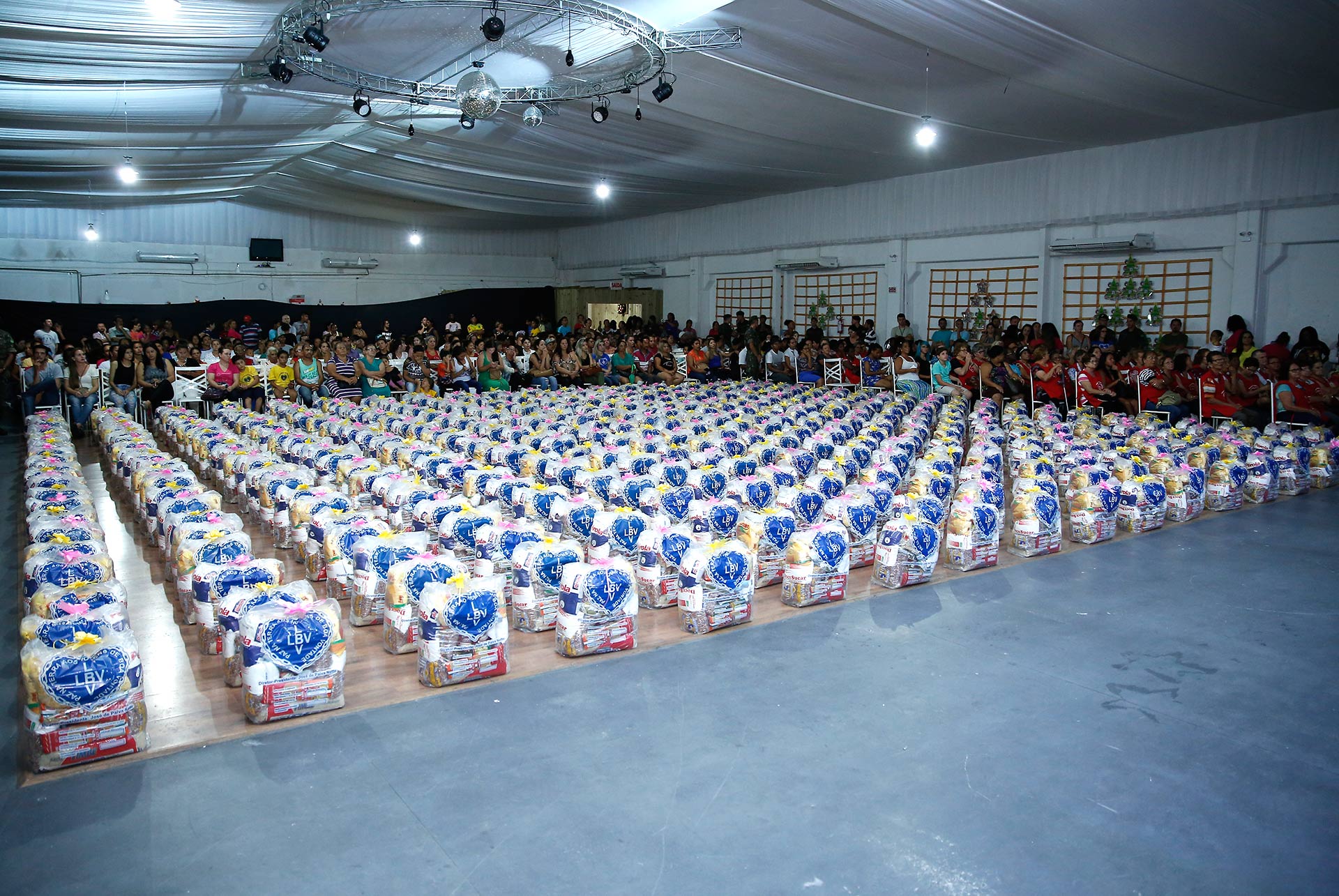
(Foto: Valdir Bigas)São José, SC — O Ginásio Municipal de Esportes do Jardim Zanelatto recebeu mais de 400 famílias para a entrega de cestas de alimentos da LBV
(Foto: Evelyn Cristina)São José, SC — Natal é época de união e solidariedade! A campanha de Natal da LBV leva às famílias a Solidariedade e a certeza de ceia farta com as cestas de alimentos.
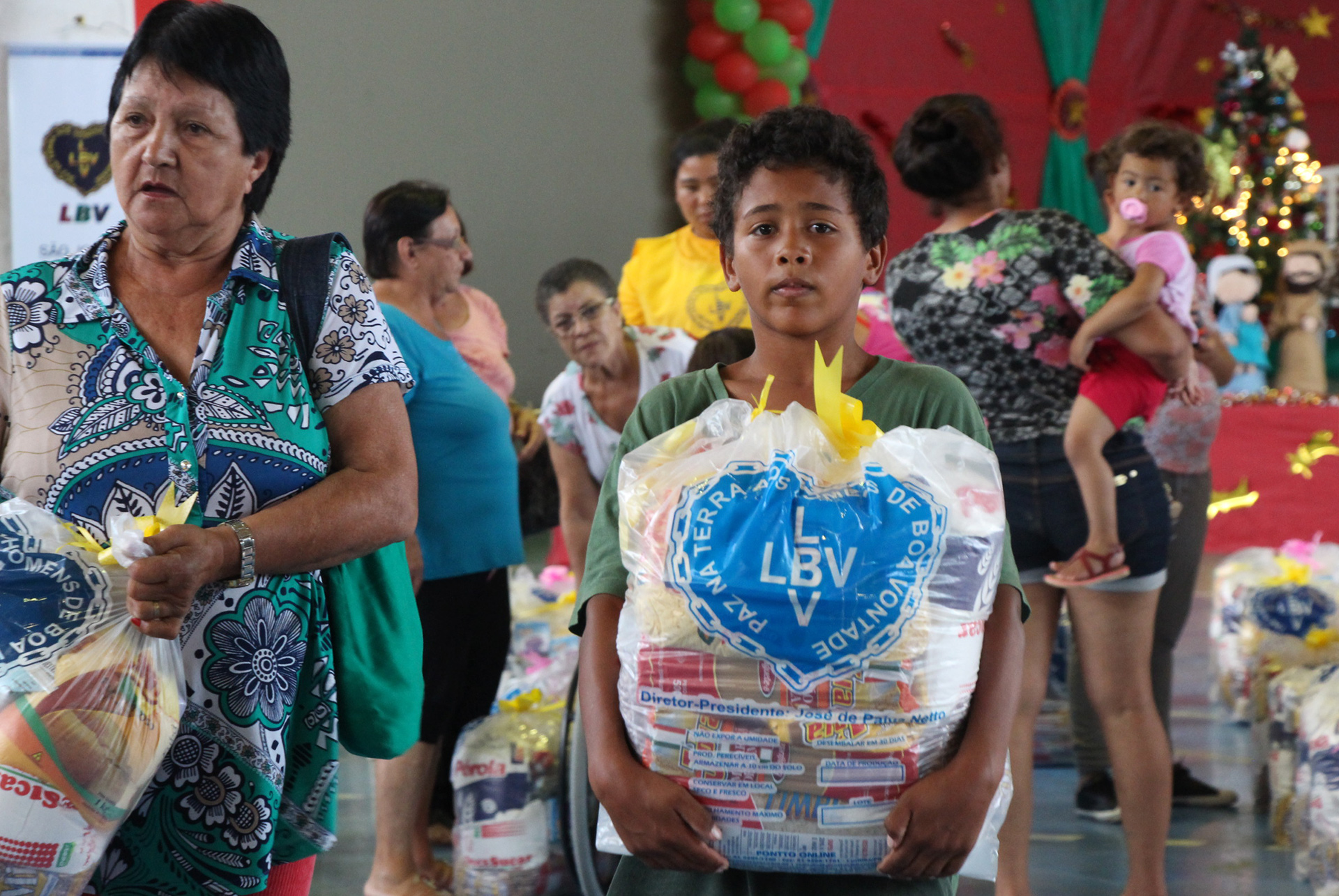
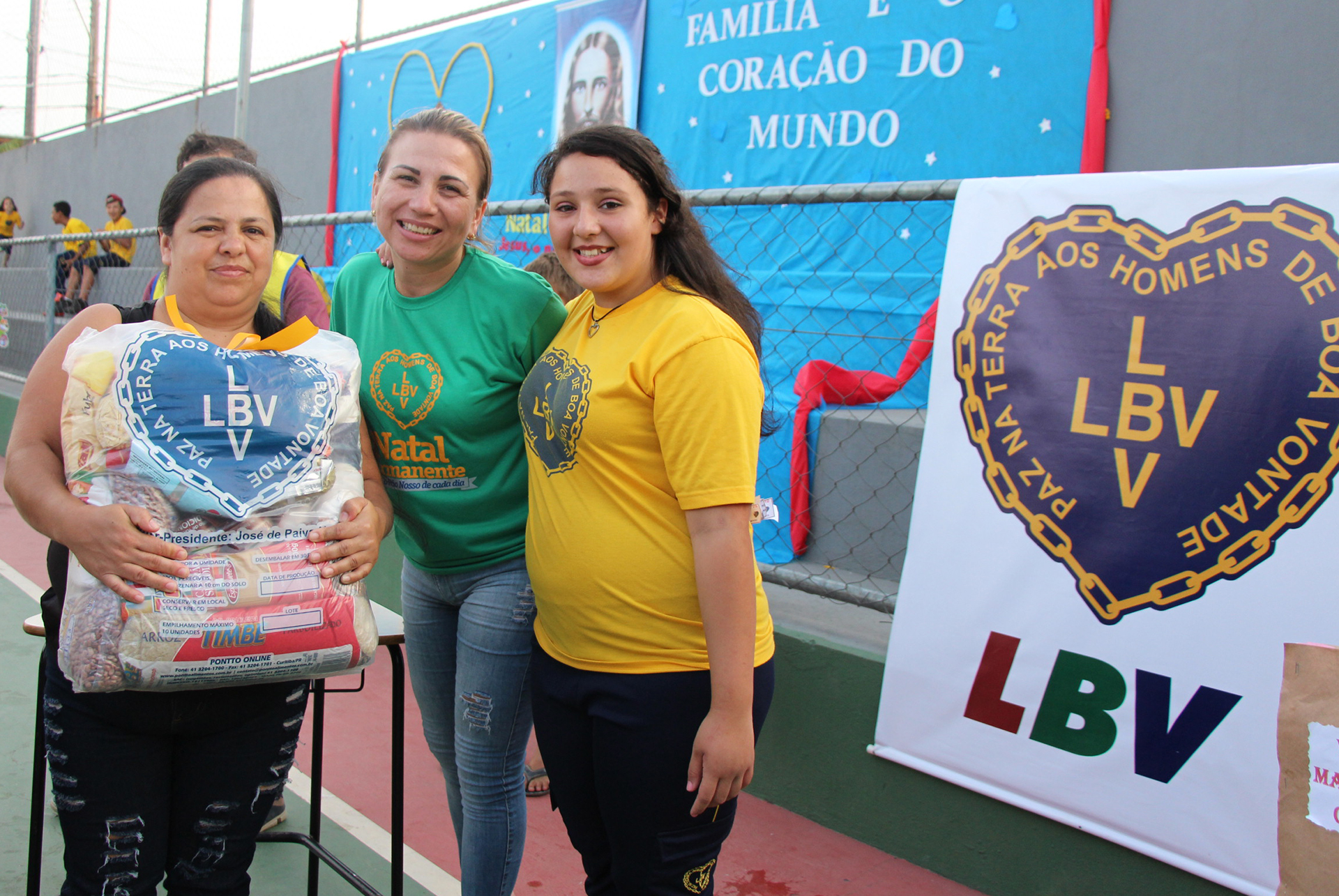
(Foto: Evelyn Cristina)São José, SC — Todos os anos, a LBV garante um Natal mais feliz a milhares de famílias. Já é uma tradição a entrega de cestas de alimentos a famílias de baixa renda em todo o País! =]
(Foto: Evelyn Cristina)São José, SC — O diretor da TV Catarina da rede Bandeirantes, Gregório Silveira (D), ajudou na entrega de cestas de alimentos para as famílias em situação de vulnerabilidade social da região.
(Foto: Evelyn Cristina)Florianópolis, SC — Só no município, foram distríbuidas quase 10 toneladas de alimentos não perecíveis para milhares de famílias de baixa renda.
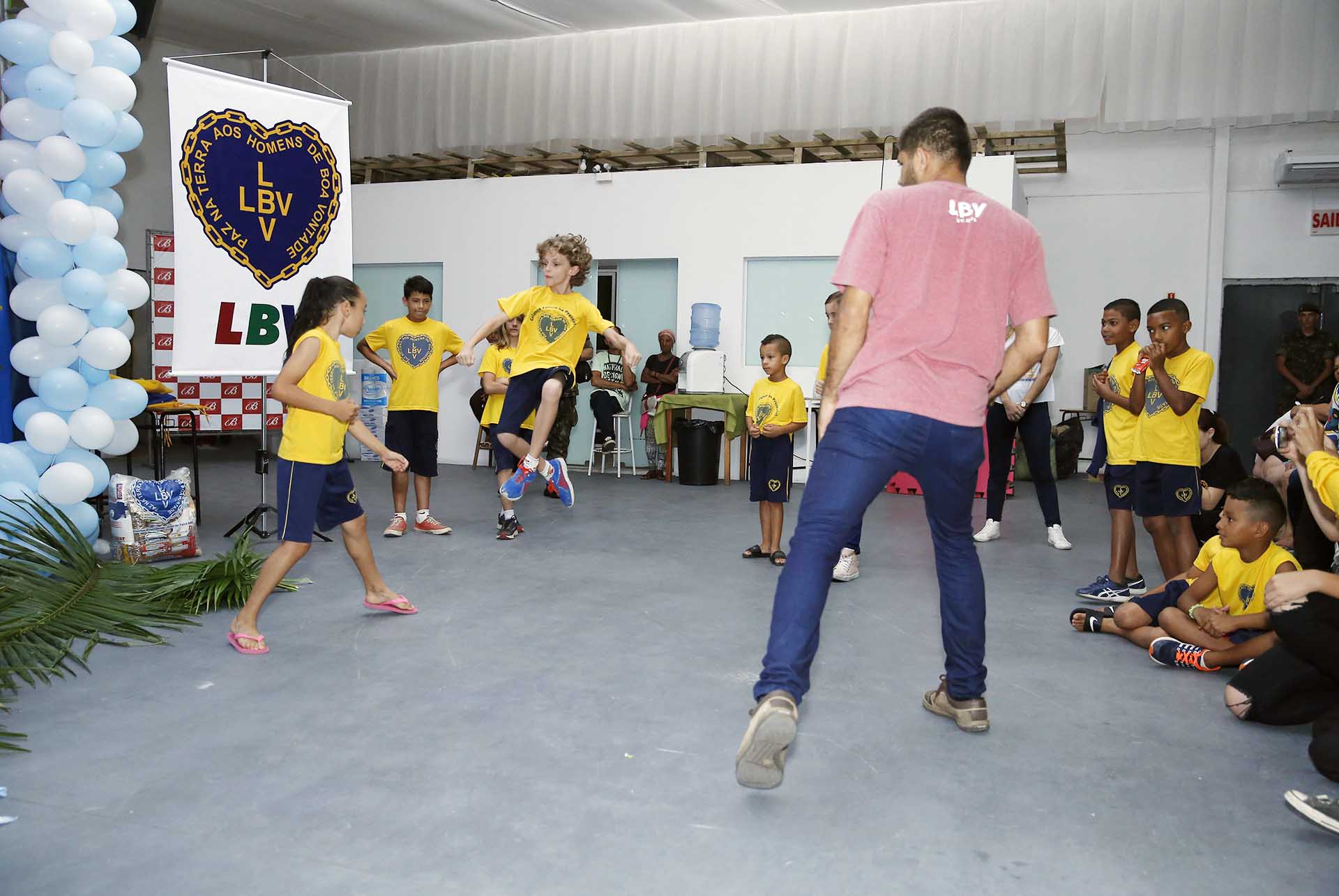
(Foto: Ricardo Ventura)Florianópolis, SC — Durante entrega das cestas, as crianças atendidas fizeram uma apresentação de Taekwondo, sob a coordenação do professor Samuel Gomes, voluntário da LBV.
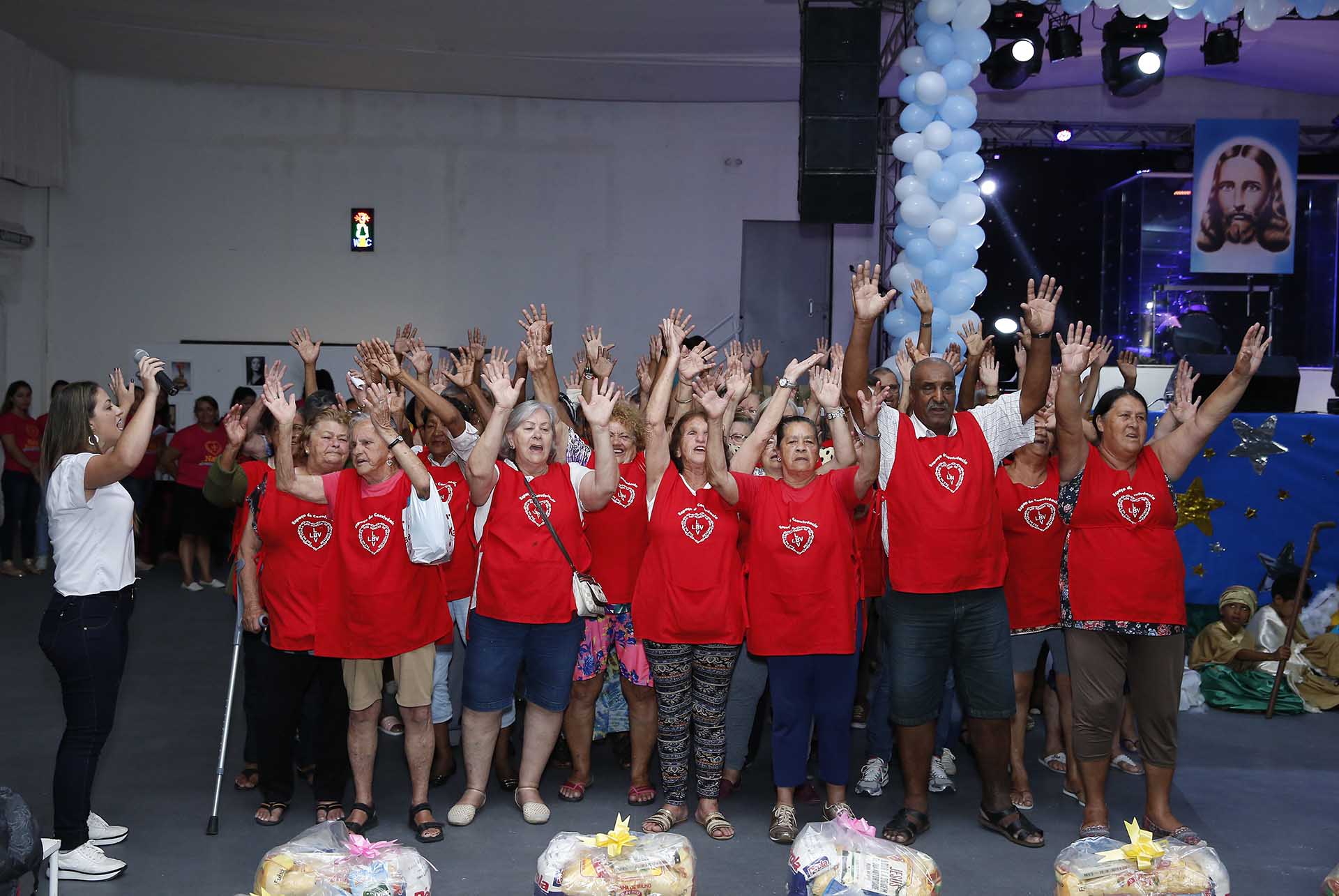
(Foto: Ricardo Ventura)Florianópolis, SC — Os idosos atendidos pelo programa Vida Plena fizeram uma belíssima apresentação musical aos participantes da confraternização.
(Foto: Ricardo Ventura)Florianópolis, SC — "Tenho dois filhos, na LBV, e como eu sou pai e mãe deles, tenho que garantir tudo em casa. Encontrar a LBV e receber todo esse apoio foi muito bom. Essa cesta de alimentos vai fazer meu natal mais feliz", disse Rosa Cassiano Oliveira.
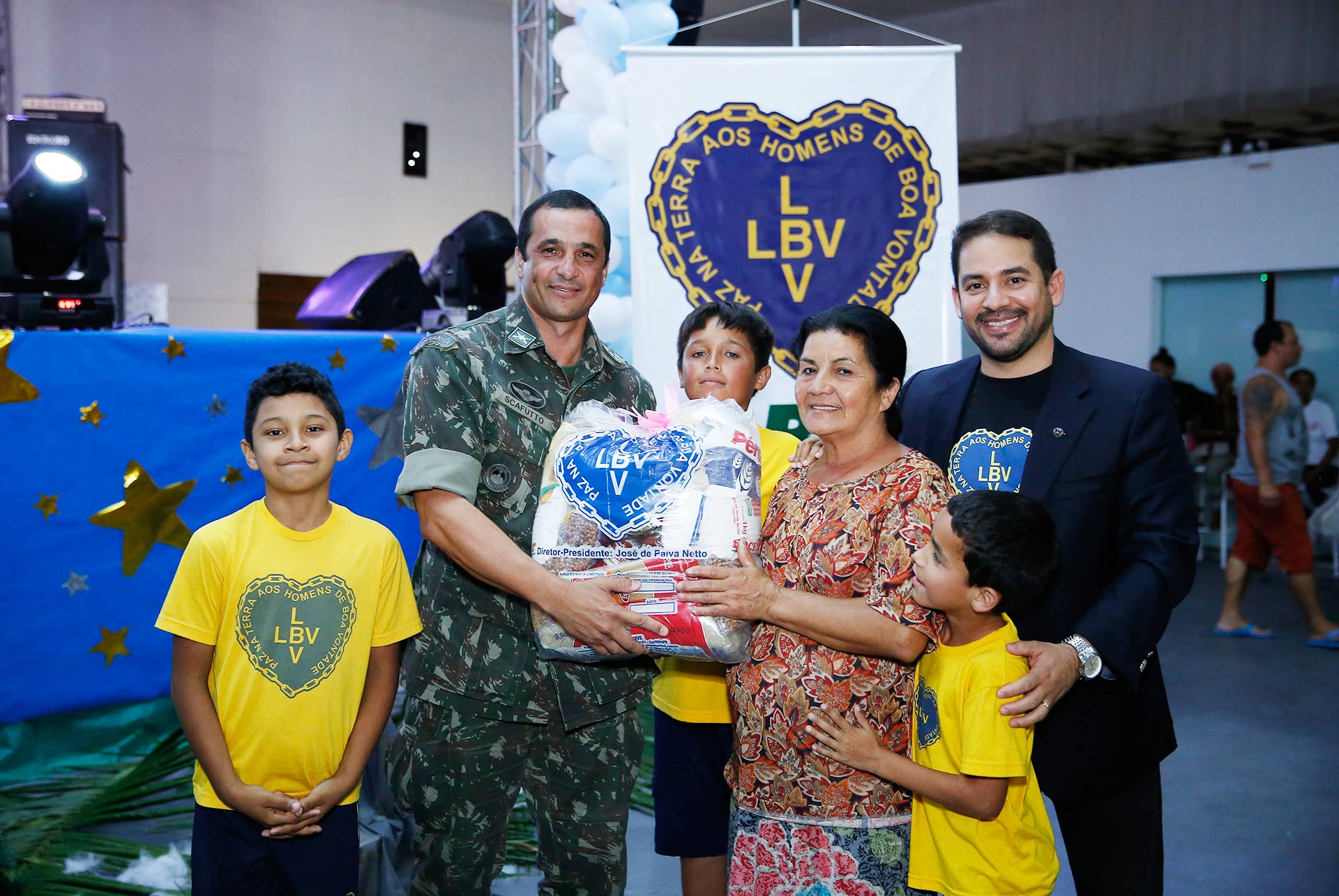
(Foto: Evelyn Cristina)Florianópolis, SC — "A LBV realiza um papel muito importante e grandioso na vida dessas pessoas”, ressaltou André Vicente Scafutto de Menezes comandante do Exercito.
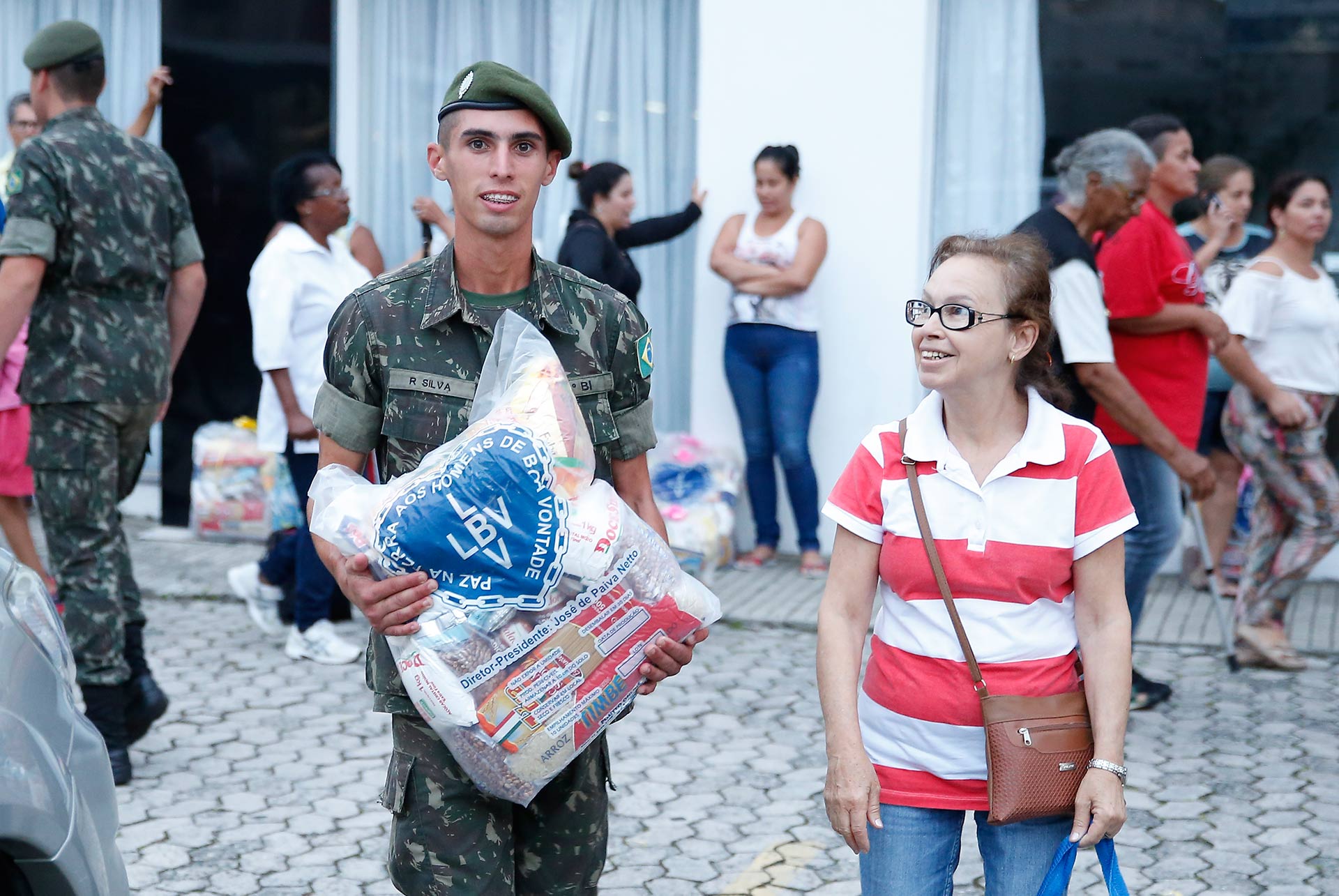
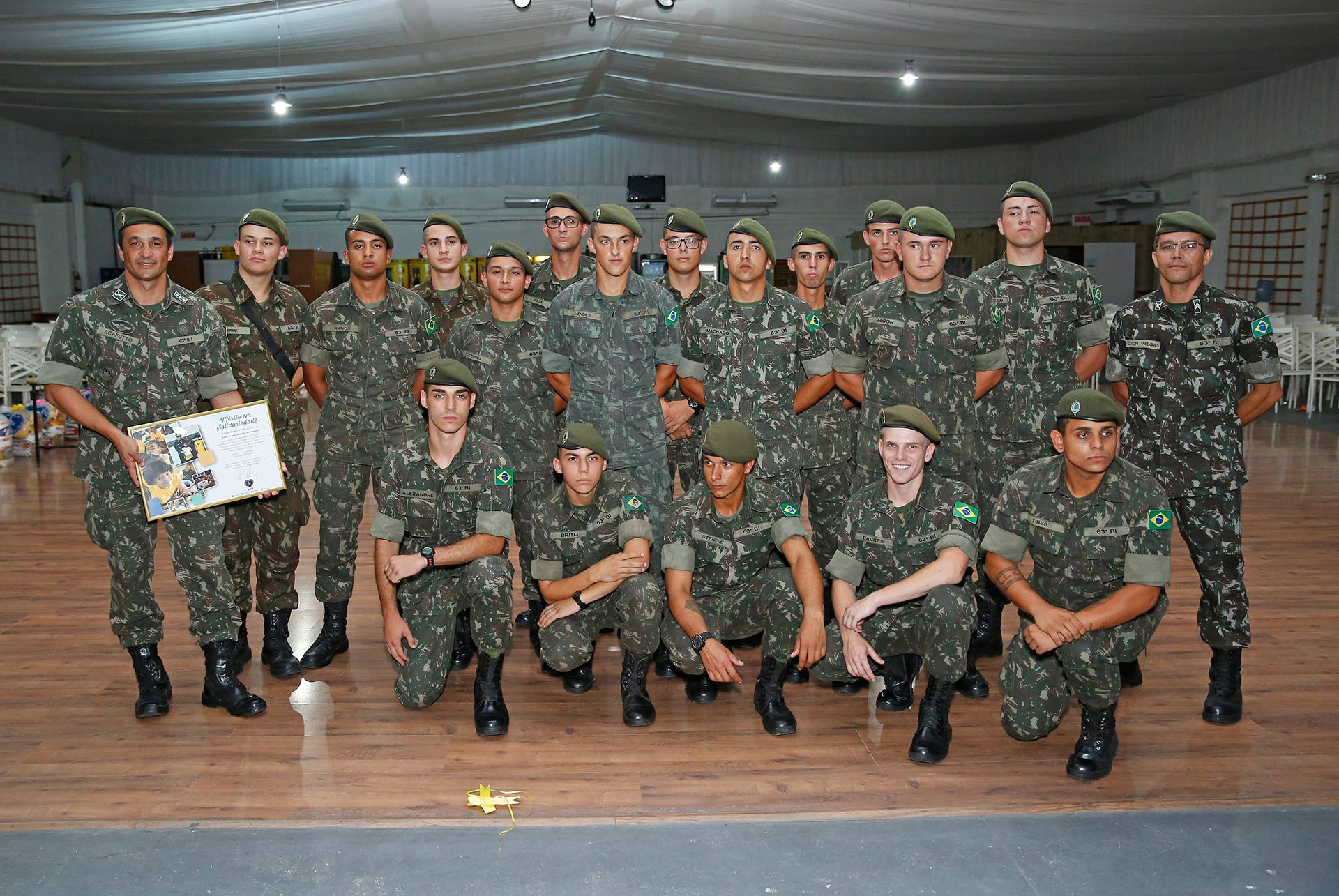
(Foto: Ricardo Ventura)Florianópolis, SC — Os soldados do 63º Batalhão de infantaria contribuiram voluntariamente na entrega das cestas de alimentos para as famílias em situação de vulnerabilidade social.
(Foto: Ricardo Ventura)Florianópolis, SC — Natal é época de união e solidariedade! A campanha de Natal da LBV leva às famílias a Solidariedade e a certeza de ceia farta com as cestas de alimentos.
(Foto: Evelyn Cristina)Florianópolis, SC — Famílias em situação de vulnerabilidade social, que já são atendidas pela Legião da Boa Vontade ao longo do ano, levam para seus lares a certeza de mesa farta no fim de ano: cestas de alimentos da campanha de Natal da LBV.
(Foto: Evelyn Cristina)Florianópolis, SC — Na foto, o coronel André Vicente Scafutto de Menezes segura o quadro recebido em agradecimento à parceria selada há décadas no apoio às ações da LBV junto à equipe de militares do 63º Batalhão de Infantaria.
(Foto: Ricardo Ventura)Palhoça, SC — A família da Lourdes Padilha foi beneficiada com a cesta de alimentos da iniciativa solidária da LBV. Eles são moradores do bairro Frei Damião, um dos mais carentes do município. "Tenho muitos problemas de saúde e, por isso, não posso trabalhar. Eu vivo de doações, eu estava precisando muito desses alimentos que chegaram em boa hora, não tenho nem palavras para agradecer", ressaltou a atendida emocionada.
(Foto: Derli Francisco)Palhoça, SC — Cada cesta tem arroz, feijão, óleo, açúcar, leite em pó, macarrão, farinha de mandioca e de trigo, fubá, goiabada, gelatina, massa para bolo, extrato de tomate e sal. Itens essenciais e básicos para ajudar no sustento da família.
(Foto: Valdir Bigas)Palhoça, SC — Em um período de desafio econômico que o Brasil vive, a solidariedade ainda está no coração das pessoas. Ao doar para a LBV, a sua contribuição ajuda a mudar a realidade de muitas famílias neste natal. A você, o nosso muito obrigado!
(Foto: Valdir Bigas)
A LBV celebrou 61 anos de atuação em Maringá, PR. E o presente foi para o povo, que recebeu cestas de alimentos da Campanha de Natal da Entidade. \o/
A LBV inaugurou ontem as novas instalações de sua Unidade em Anápolis, Goiás. A grande festa solidária também marcou a entrega das cestas de alimentos da Campanha de Natal para centenas de famílias da região! Viu, só? Você ajuda, a LBV faz! =D
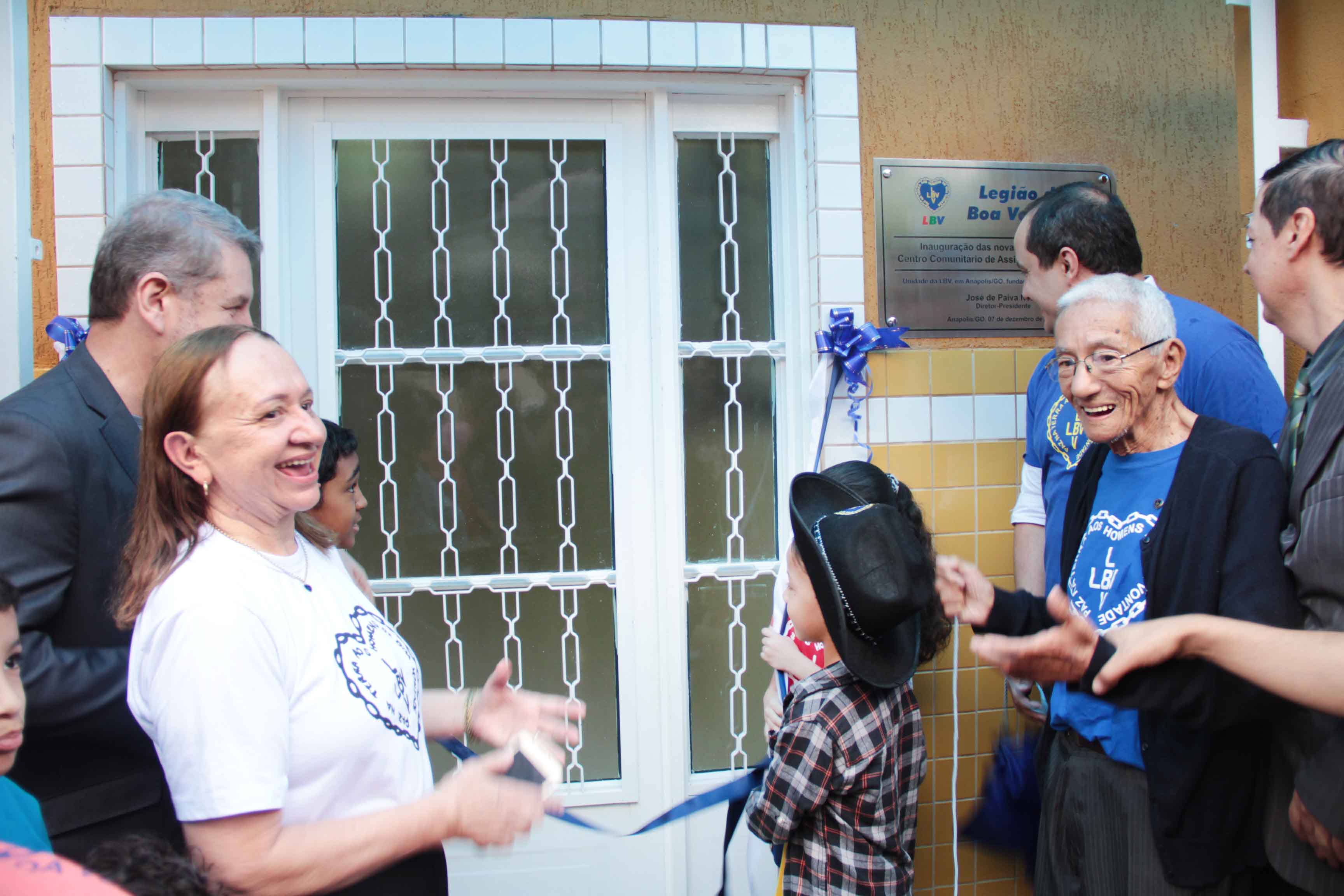
Anápolis, GO — O descerrar da fita entrega as novas instalações do Centro Comunitário de Assistência Social da LBV para as crianças e famílias atendidos pela instituição na cidade anapolina.
(Foto: João Preda)Anápolis, GO — Além da inauguração das novas instalações, a LBV realizou a entregas das cestas de alimentos arrecadadas por meio da Campanha Natal Permanente da LBV – Jesus, o Pão Nosso de cada dia!. A iniciativa solidária beneficiou centenas de famílias em situação de vulnerabilidade social.
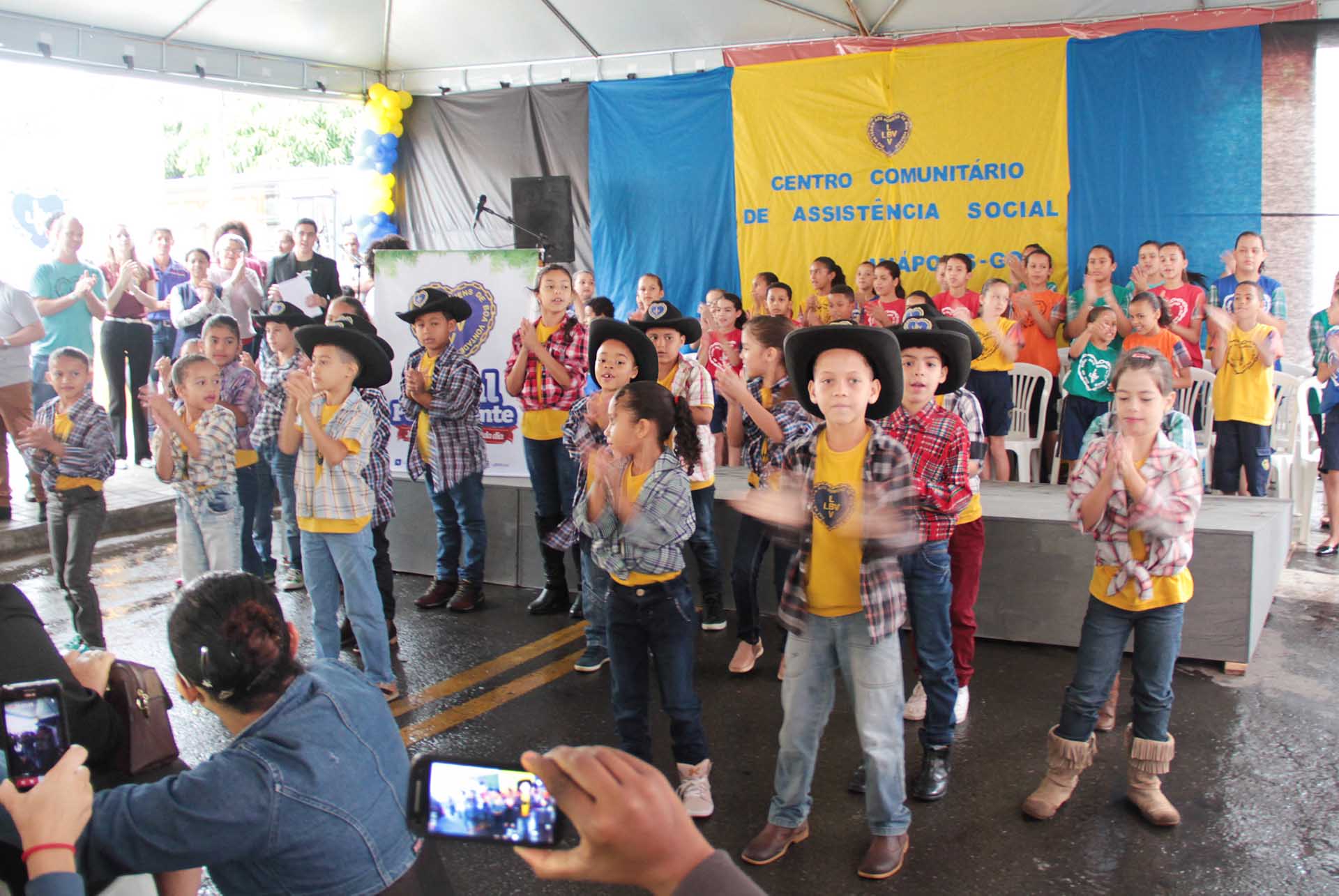
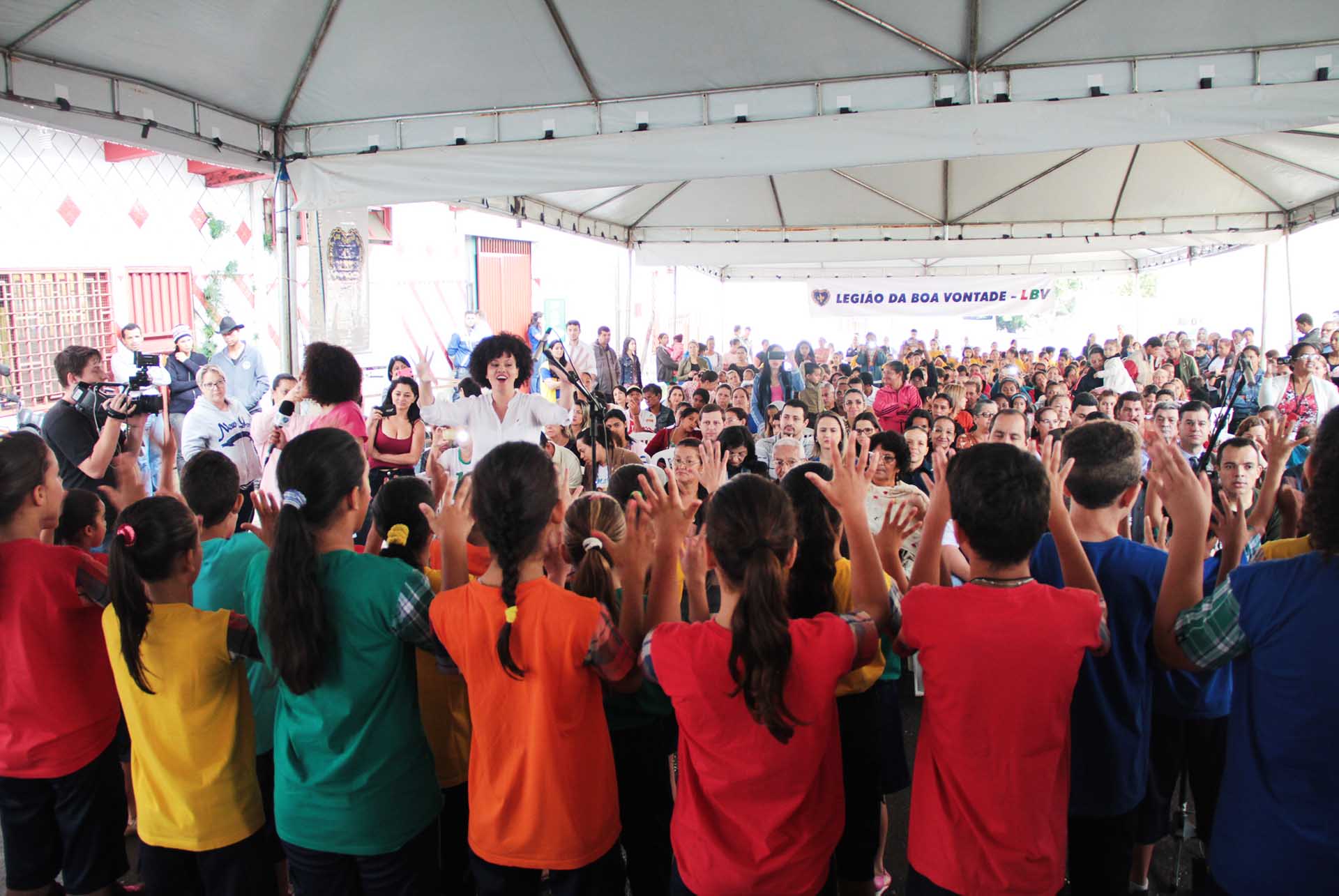
(Foto: João Preda)Anápolis, GO — Com apresentação de dança, crianças atendidas pela LBV comemoram a inauguração das novas instalações da LBV na cidade.
(Foto: João Preda)
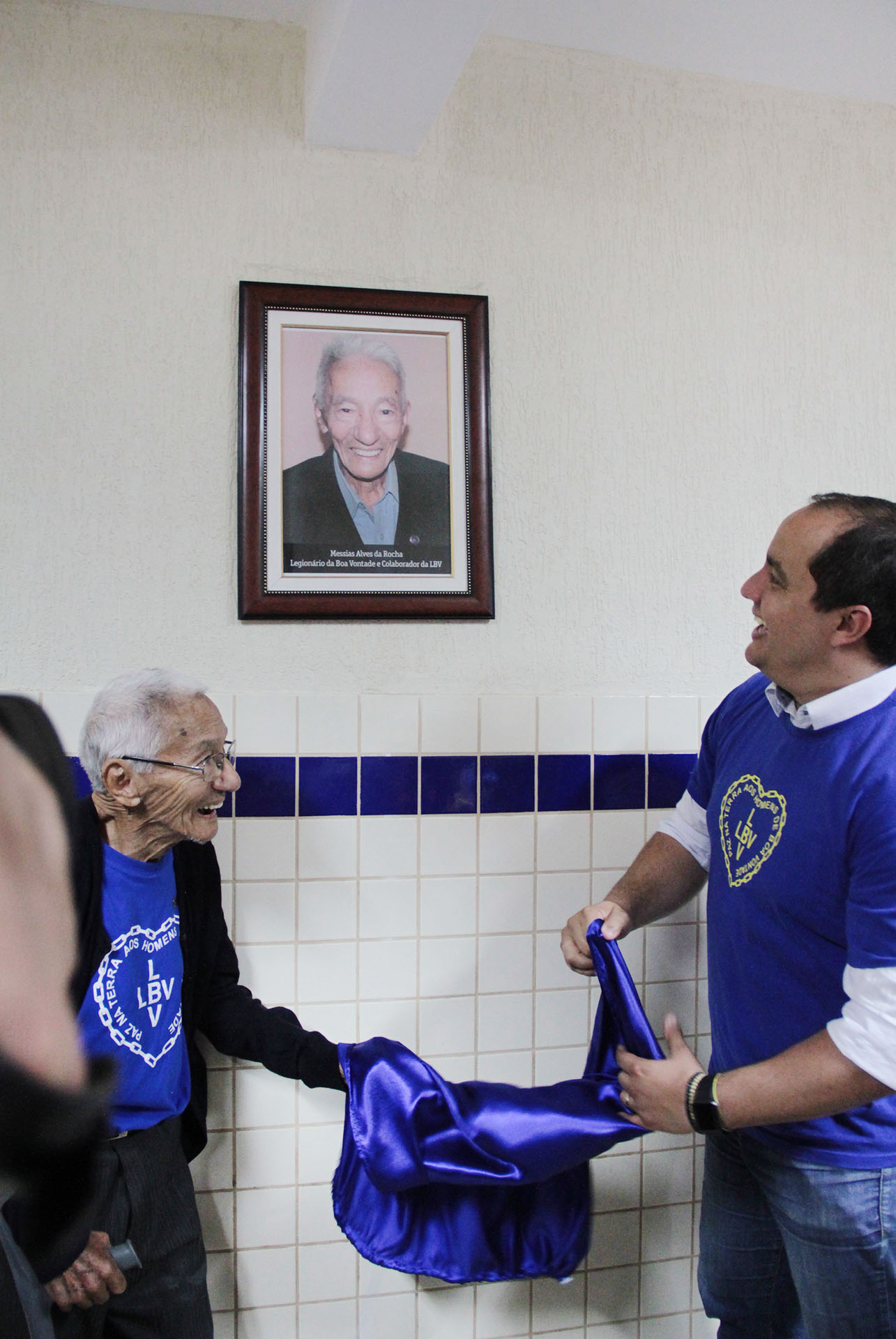
Anápolis, GO — A nova unidade ganhou uma sala batizada com o nome de Messias Alves da Rocha, valoroso colaborador e voluntário que desde os primórdios ajudou na expansão do trabalho da LBV em Goiás.
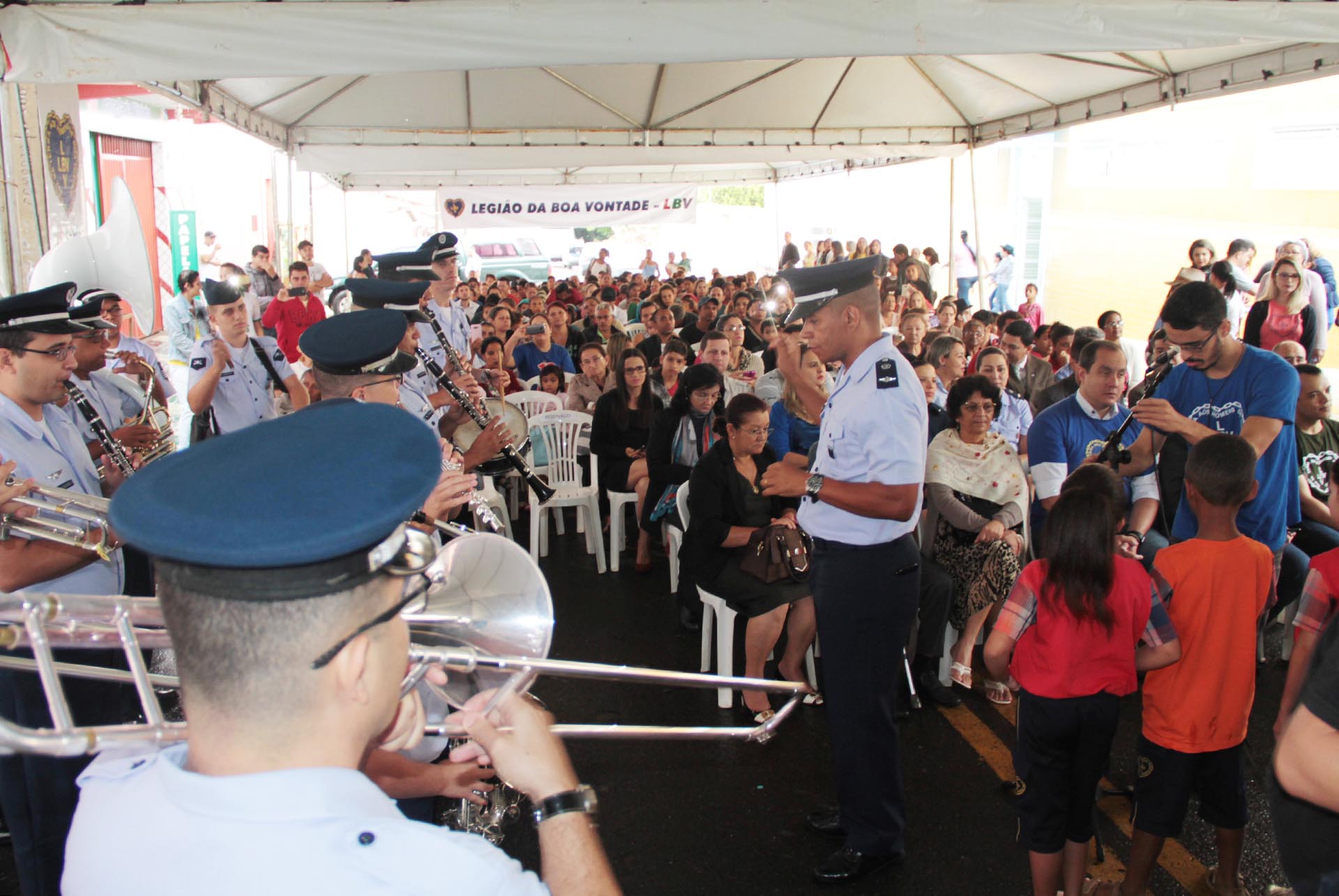
(Foto: João Preda)Anápolis, GO — A Banda de Música da Base Aérea de Anápolis abrilhantou a cerimônia de abertura, entoando o Hino Nacional Brasileiro.
(Foto: João Preda)Anápolis, GO — A cerimônia de inauguração das novas instalações da LBV na cidade contou com a presença de atendidos, colaboradores, voluntários, parceiros, autoridade, da comunidade e foi abrilhantado com apresentação do Coral Ecumênico Infantojuvenil Boa Vontade, formado por meninas e meninos beneficiadas pela Instituição.
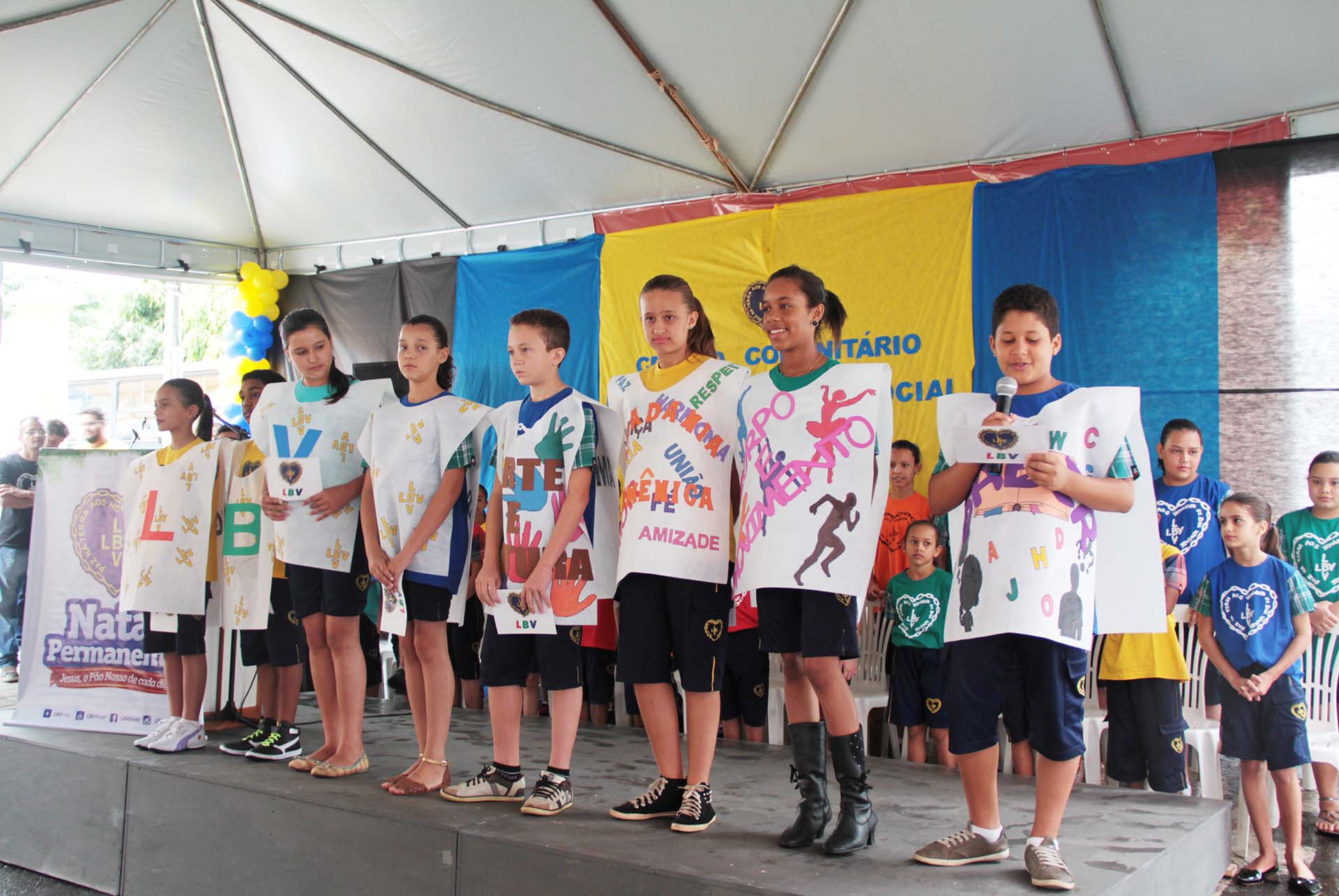
(Foto: João Preda)Anápolis, GO — Atendidos pela LBV apresentam Jogral, contando a história da instituição em Anápolis.
(Foto: João Preda)Anápolis, GO — Sobre a alegria de estar na LBV e ver como a unidade ficou bonita após a reforma, o pequeno Gabriel Costa Silva destacou: “Nunca vou me separar da LBV, ela me ajudou muito e agora ficou melhor ainda. Mais salas, jogos e uma quadra”.
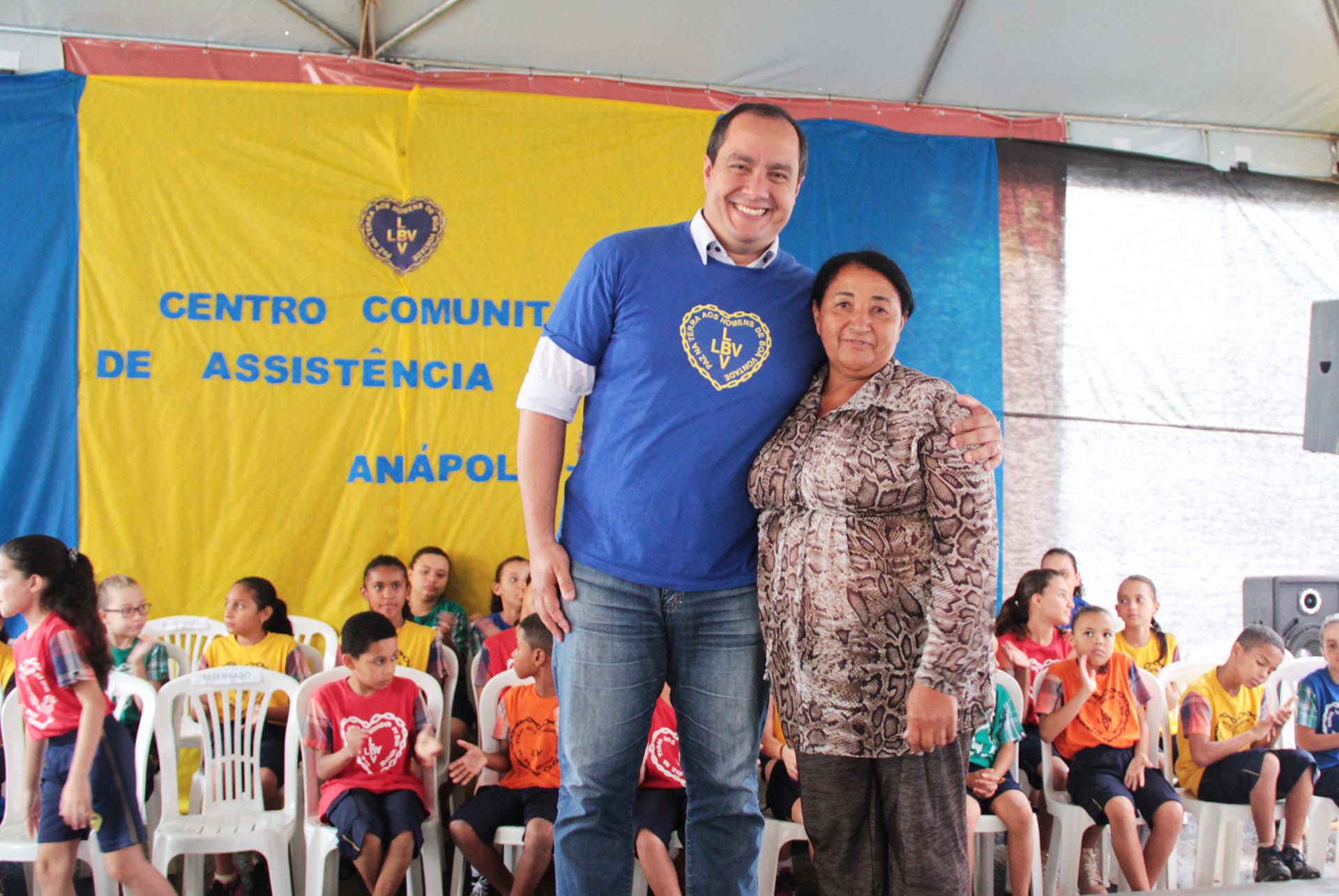
(Foto: João Preda)Anápolis, GO — Ao lado do representante do diretor-presidente da LBV, José de Paiva Netto, o legionário Alziro Paolotti de Paiva, a senhora Neli Aparecida Mineiro dos Santos, avó atendida pela LBV, declarou ao público sua gratidão pelo apoio que encontrou na LBV.
(Foto: João Preda)
Pray for the Mexico earthquake victims
Nathan Rodrigues
Friday | September 08, 2017 | 10:14 AM | Last update: September 20, 2017, 8:42 AM (Brasilia time)
The Legion of Good Will and its President, José de Paiva Netto, sympathize with all the victims and their families who suffered with the earthquake in Mexico, dedicating feelings of Peace to those who have returned to the Spiritual World.
The Good Will Portal invites all Internet users to take part in the Ecumenical Chain of Prayers. Ever since its origin in the 1940s, the LBV has incorporated the Powerful Ecumenical Chain of Prayers into its activities. People from all religions, nationalities, and traditions can participate in this chain by including the names of their loved ones, family members, and friends in order to receive the good energies that come from prayer.
We dedicate to your heart the Prayer for Tranquility, an extract from the Oratorio The Mystery of God Revealed, composed by Paiva Netto. According to the author of the work: “When you feel disheartened, lift your heart to better connect with the higher power. In this way, you will refuel your soul for the challenges of life. You can rest assured: praying works.”
Um aperto de mãos ou um sorriso guardam mais informações do que você pode imaginar. Gestos simples como esses podem ser um sinal claríssimo de insatisfação ou insegurança, sabia? E em se tratando de trabalho, amigos, isso pode ser fundamental na decisão de contratar ou promover alguém. Não à toa, os empregadores prestam cada vez mais atenção à linguagem corporal de seus funcionários ~ ou candidatos.
Numa entrevista de emprego, por exemplo, a primeira impressão é a que fica. No livro A linguagem corporal no trabalho, os autores Allan e Barbara Pease, especialistas em relacionamento que também assinam outras obras sobre o assunto, informam que a leitura do seu corpo será determinante para que a vaga seja sua. Pessoas que usam movimentos claros e objetivos costumam agradar aos empregadores. Sabe por quê? Essa é uma característica de quem é calmo e sabe controlar suas emoções.
O título ainda traz estudos que mostram que 80% do impacto que causamos é não verbal, ou seja, sua abordagem, seu aperto de mão... Viu, só? Controlar posturas e expressões pode aumentar o seu sucesso profissional. \o/
Ajuste sua linguagem corporal!
O professor da Fundação Getúlio Vargas, doutor em Administração Especializado em Negociação, Glauco Cavalcanti, conversou com a Super Rádio Brasil (940 AM), emissora da Super Rede Boa Vontade de Rádio no Rio de Janeiro, RJ, sobre o assunto e listou os deslizes mais comuns ~ que o nosso corpo denuncia.
BRAÇOS CRUZADOS
Para Cavalcanti, essa é uma das posturas que devem ser evitadas. "O braço cruzado na altura do peito, principalmente com a mão fechada. Essa é uma postura de poder, de imposição, de autoritarismo", disse.
MÁ POSTURA
shutterstock
Em relação à postura, o professor da FGV recomenda que se evite posturas de baixo poder, como "sentar-se com o ombro para baixo, cabeça para baixo, corpo curvado." Segundo ele, essa má postura demonstra insegurança ou desleixo e pode ser prejudicial numa negociação, feedback ou reuniāo.
APERTO DE MÃOS
shutterstock
"O aperto de mãos é o cartão de visitas", afirma o doutor em Administração Especializado em Negociação. E como nós já adiantamos no início do texto, pode dizer muito sobre nós. "Um aperto fraco passa insegurança, falta de vontade, fraqueza. Já aquele que vem por cima é dominador. E tem também aquele político, que é feito com as duas mãos, para passar intimidade. O aperto de mãos dá indícios a outra parte", explicou.
EXPRESSÕES FACIAIS
shutterstock
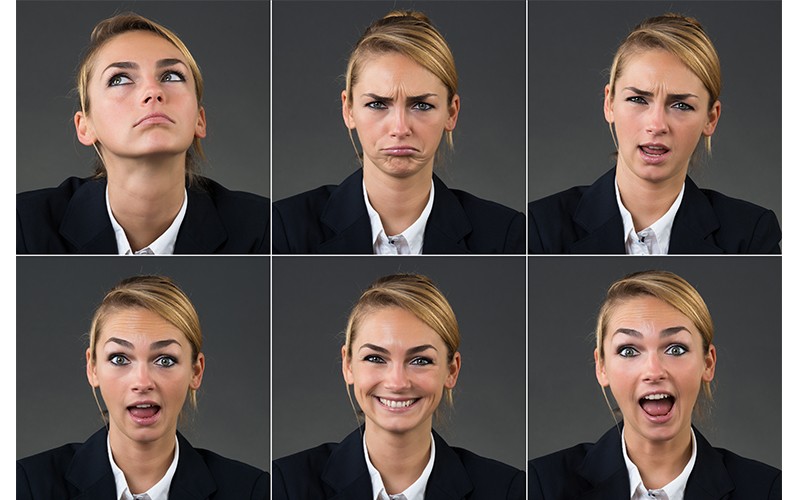
Quanto às expressões faciais, Cavalcanti comenta que é preciso treino para trabalhar as microexpressões ~ movimentos faciais involuntários que indicam certas emoções. "São sentimentos facilmente detectáveis e que são universais: alegria, desprezo, espanto, medo, nojo e raiva."
Essas expressões são difíceis de serem controladas e, muitas vezes, "entregam" nossos sentimentos sobre determinada situação ou pergunta. "A pessoa quando está mentindo, por exemplo, coça muito o nariz, a nuca, passar a mão rápida na boca".
CONTATO VISUAL
wisegeek.com
A ausência do famoso "olho no olho" pode ser interpretada como insegurança no momento de dar uma resposta ou uma tentativa de enganar o seu interlocutor. E quando o assunto é linguagem corporal, isso pode ser uma tremenda bola fora. #Ixi!
Glauco Cavalcanti, contudo, pondera: "Em relação ao olhar, existe um falso mito. [Dizem que quando] a pessoa mente, não olha no seu olho. E todo mundo, por saber disso, faz exatamente o contrário. Então, quando alguém olha fixamente no seu olho, e se força a não piscar, muito provavelmente está mentido".
O CORPO FALA (E OS OBJETOS AJUDAM)
shutterstock
O professor da Fundação Getúlio Vargas pontua ainda que o corpo fala e conta com um auxílio dos objetos. Sabe quando você está numa reunião e alguém fica no celular? Essa atitude sinaliza falta de interesse. Até mesmo o posicionamento da caneta num processo de negociação é avaliado, já que pode ser entendido como um “amuleto da sorte” e mostra insegurança.
E aí, pronto para fazer da linguagem corporal um aliado? o/
Find out what permaculture is and how it can help the Planet
Nathan Rodrigues
Tuesday | November 29, 2016 | 3:04 PM | Last update: July 10, 2017, 8:33 AM (Brasilia time)
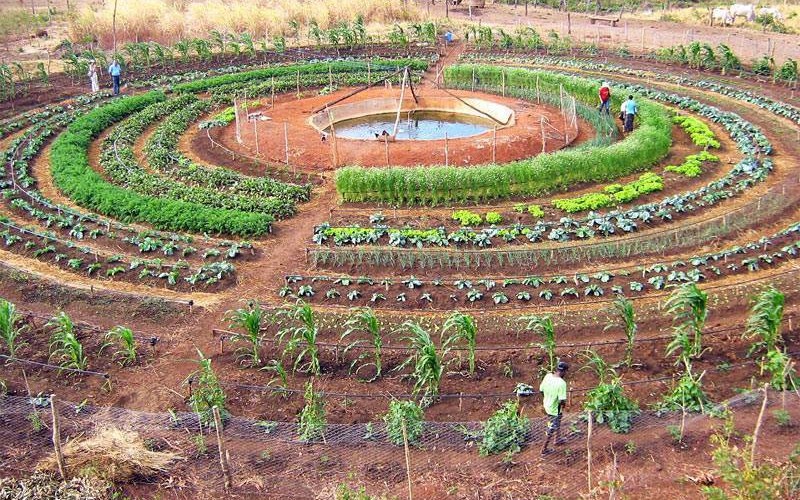
The term permaculture comes from the expression “permanent agriculture” and was coined in the 1970s by biologists Bill Mollison and David Holmgren. This multidisciplinary system― which combines knowledge of architecture, social sciences, and solidary economy, among other areas―seeks to create spaces that are in harmony and balance with nature. In other words: it works with the environment, not against it.
Based on three principles―care for the earth and people, and fair share―, permaculture calls on all citizens to pay attention to the environment while assessing their attitudes, and to conscientiously use natural resources. That is why it encourages the development of ecologically sustainable projects that are financially viable. They should not pollute or indiscriminately exploit nature and should meet people's basic needs.
Divulgação
In this way, it is possible to build sustainablecommunities, by integrating design (a term used by experts to define the planning and design of human occupation) and environmental awareness! \o/
So let’s agree that permaculture is a good idea, right?
Coming out of inertia
This system may even have been created in response to agricultural and industrial methods way back in the 1970s, but did you know that it’s also used in large cities? In São Paulo (Brazil), for example, we have the work of the MoradadaFloresta. This non-governmental organization, which began as student accommodation, offers courses, products, and services and develops projects to encourage sustainable practices, thus helping raise ecological awareness.
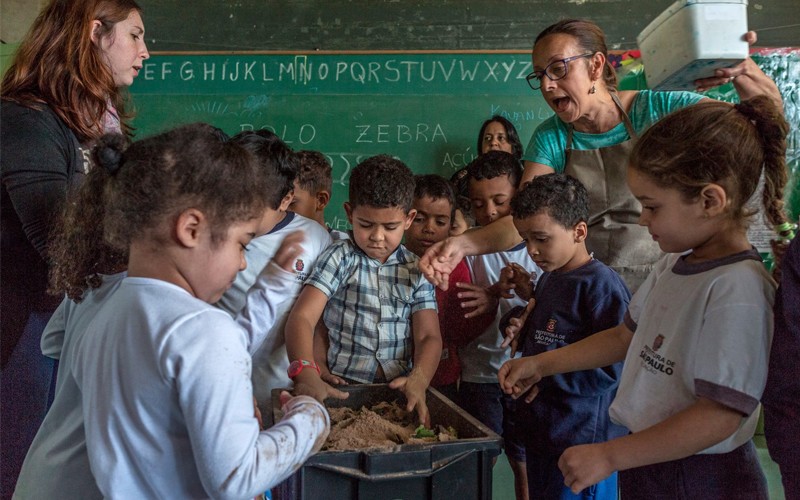
Divulgação: Facebook/Morada da FlorestaMorada da Floresta offers courses, services, and products that aim to raise the environmental awareness of children, young people, and adults.
“It was established mainly because of the need to make the world a better place and to implement sustainable practices within the home,” says Leopoldo Matosinho, the administrative coordinator of the organization. He has no doubt whatsoever about how applicable these actions are in urban areas. “We believe that change starts with us and within our own home. It’s possible to do this cheaply, because there are different alternatives, such as reusing things. We need to always transform problems into solutions.”
The Biosphere program on Boa Vontade TV went to the headquarters of the NGO and prepared a special report on the subject.
With these actions, Morada da Floresta aims to incorporate the basic principles of permaculture: ensuring people identify and abandon their destructive habits, and share ways of reducing the impact of their actions, such as the unchecked consumption of natural resources and the damage caused to Earth.
Friends of the Planet
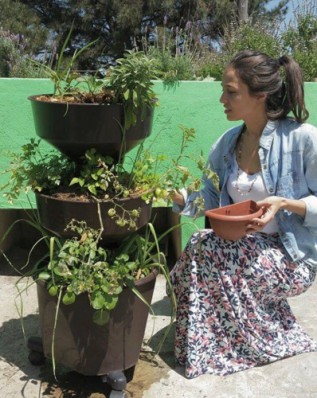
Divulgação: Facebook/Morada da FlorestaIf everyone does their part, the world can be a much better place! = D
Journalist and writer José de Paiva Netto says in his article “Awareness today . . .” that, “Human beings act like there is no tomorrow. For this reason, they cease to assess the future results of their actions in the present. This is worrisome, because when the devastating effects of bad sowing arrive, the situation may be irreversible or accompanied by enormous losses.”
It is increasingly urgent, therefore, to change our attitude towards Nature. If this doesn’t happen, future generations will suffer the consequences of every tree that is felled today, and every river basin that is polluted or used indiscriminately. We should not allow this to happen to our Brothers in Humanity, let alone to our collective dwelling, right?
Our suggestion is that all of us―that's right, no one can be left out of this!―should rethink our attitudes. We’ve already shown here how we can help the world with small attitudes, such as saving water and recycling, for example. A simple gesture can be worth a lot! Let's get started now! = D
Now that you know about permaculture, how about using all this creativity to push aside laziness and discouragement and dig deep, or rather, get our hands dirty saving the Earth?
Donating blood: why is this a gesture of love to our fellow beings?
Nathan Rodrigues
Tuesday | June 13, 2017 | 9:36 AM | Last update: July 03, 2017, 9:37 AM (Brasilia time)
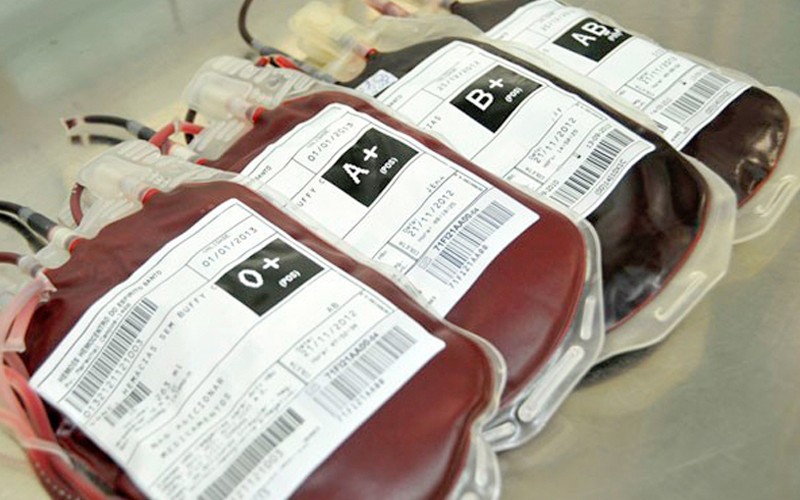
A simple act can save four lives. This is the statement that best defines blood donation. Even though many people know how important this solidary gesture is―after all, this is a real demonstration of love for our fellow being―there is still a long way to go before blood banks operate with the amount they need to meet demand, which is big, unfortunately.
Divulgação
According to the World Health Organization (WHO), 108 million blood donations are collected annually, half of them in high-income countries, which account for less than 20% of the world's population. The organization also points out that only 62 countries receive their total blood supply from voluntary donors, while 34 countries depend on family donors and paid donors for more than 75% of their blood supply.
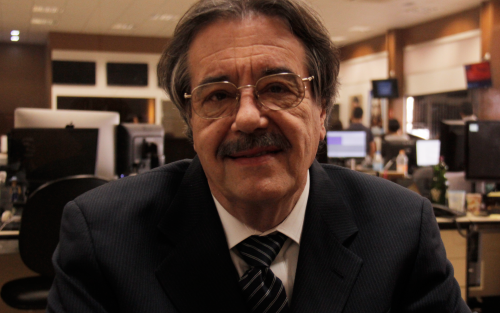
So what’s preventing the increase in blood donations, especially voluntary donations? “We need to create this culture and encourage the population to do so. . . . [We need to] emphasize that this is an act of love,” Dr. Valdir de Almeida Camilo told the GoodWillPortal. He is the physician responsible for the department of collection of blood components of the São Lucas blood bank, in São Paulo (Brazil).
Felipe MorenoDr. Valdir de Almeida Camilo, physician responsible for the department of collection of blood components of the São Lucas blood bank, in São Paulo (Brazil).
“It’s something that determines who can save their life or lose it. I usually say that it’s an act that not only has physical consequences. The patient is there depending on blood, and the parents and brother are suffering too. By giving blood, you can save up to four people materially, but spiritually you can help a lot more, which is why it's worth insisting on that gesture,” says the hematologist.
The request is justified. Last year there was an increase in the number of people who donated blood for the first time, which represents 38% of all donations, according to the Brazilian Ministry of Health. Brazil, however, was below the target set by the Pan American Health Organization (PAHO). The organization explains that if 2% of the population were to donate regularly, it would be possible for a country to meet its needs for blood and other blood components.
Donating blood: a gesture of love
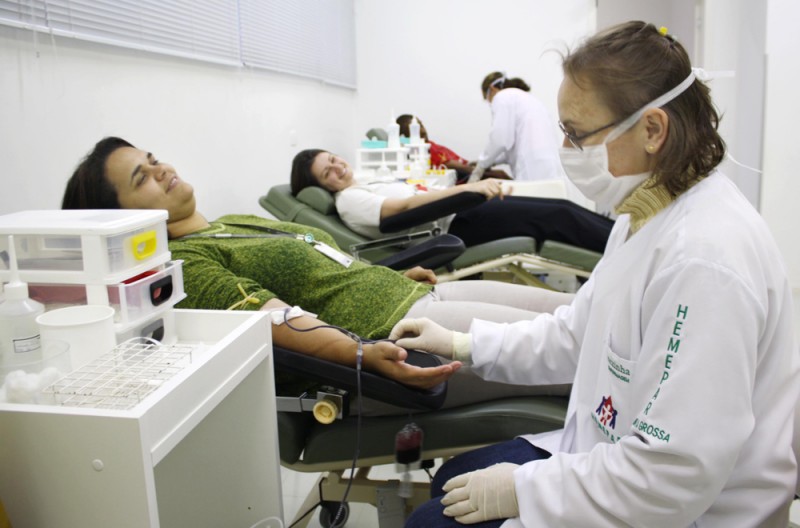
Do you see how donating blood is important? In order to solve the problem of the lack of blood supply in blood banks worldwide, we just need to become aware of the importance of this noble gesture. And there's no excuse not to donate. The procedure is fast―it lasts at most 15 minutes―and doesn’t hurt. There’s nothing to worry about, OK? =D
And what does it take to become a blood donor? Dr. Camilo says that, “generally you need to weigh more than 50 kilos, be aged between 16 and 69, and carry an ID. If you are a minor, you must be accompanied by someone who is responsible for you. Another important thing is that you must be in good health.”
aracati.ce.gov
Donors also need to be rested, can’t consume alcohol for 12 hours before donating blood, can’t smoke and, can’t be fasted. The hematologist points out that women can donate every three months, while men can donate every two months. Oh, and Dr. Camilo also emphasized: “There’s no such thing as bad blood; all blood is important for blood
If you still have any questions, we've prepared a special report for dispelling some of the myths about this procedure.
So, #LetsDonate
To all the donors, those who have depended on, or still depend on blood donation, and―why not?―to those who intend to embrace the cause, we dedicate an important remark from journalist and writer Paiva Netto on the subject. In his article, Doevida [Donate Life], he writes: “Blood donation, a praiseworthy gesture that brings human beings closer to their humanity, is essential for the many who are struggling to survive.” Donating blood is an act of human solidarity that saves many lives every day.
__________________________________________________________________ * With information from Agência Brasil
True friendship: 7 attitudes that prove you’re a good friend
Nathan Rodrigues
Monday | February 13, 2017 | 3:18 PM | Last update: May 31, 2017, 12:30 PM (Brasilia time)
True friendship stands the tests of time and distance. If the feeling is mutual, you can be sure it’s going to last; and the best thing is that it will remain firm and strong!
It doesn’t matter if we have many or a few people by our side; if they're good friends, that's enough. They may not have the same blood type as ours, much less share our surname, but they will have for us―and we for them―the same affection and respect we have for our siblings (other friends we have in life!). They will be there for us whenever we need them, regardless of the situation.
Because true friendship proves itself
in times of joy . . .
. . . and of sadness
That’s right! A good friend knows how to . . .
Share
And we’re not just talking about material things. A true friend is always present at those moments that mark our lives, however small and simple they may be.
Reprimand us when we need it
Yes, we hear every now and then our friends saying, “It’s not quite like that. . . .” A good friend is not going to think twice about telling us off for neglecting our health or making some mistakes, for example.
Forgive us when we mess up
Friends try to understand our mistakes―even when they’re dreadful―and forgive us, as long as we make an effort not to repeat them, right?
Support our decisions
If it’s our happiness that’s at stake, you can be sure: a true friend will support our choices. After all, our happiness will be their happiness as well.
Respect us just the way we are
You can think this and they can think that. You can root for one team and they may be a supporter of its biggest rival. Your favorite color may be blue and theirs green. This won’t matter at all if the friendship is true. \o/
Do you fit this profile? = D
Reprodução BVJesus, o Cristo Ecumênico
NO ONE IS ALONE
Since we’re talking about true friendship, it’s important to always remember that there’s a friend that we can always trust for all the occasions: JESUS, theEcumenicalChrist. He protects us and helps us at all times; all we have to do is to seek His help by way of prayer.
Monday | May 15, 2017 | 4:40 PM | Last update: May 15, 2017, 5:48 PM (Brasilia time)
Did you know that stress can be a warning sign? In order to protect ourselves, our body gives off physical and emotional signs, so we are attentive to everything that goes on around us. If it weren’t for this physiological mechanism, our ancestors wouldn’t have known what to do when they had an unexpected encounter with an animal, and today we would be unable to cope with the pressures of our day-to-day lives, for example.
The problem, however, is when such tension becomes chronic. When we get into this next phase—which is called the resistance stage—stress becomes a big health problem. That’s why it’s important to stay alert to the “messages” being sent by your body, OK? Take this tip!
Here are some of the signs of stress that affect your well-being right away:
This is one of the commonest symptoms. If you have been losing your mind more often, or if your state of mind changes easily, going from unshakeable tranquility to terrible rage in a matter of minutes, it’s time to seek professional help, isn’t it?
Stressed people usually suffer from generalized pain, caused by muscle contraction. Headaches, for example, usually get worse because of bouts of stress.
A long period of exposure to stressful situations may sap our energy, while our enthusiasm to carry out simple and routine activities keeps on reducing. . .
Do you know where you left your house keys? Did you forget to do something at work? This may be the result of a high stress load, which harms the storing of information in the brain.
What now? What to do?
In many cases, the physical and emotional signs of stress are so strong that they only reduce when we seek professional help, which often includes the use of medication.
So that the situation does not reach this state of affairs, all you have to do is adopt some simple healthy habits for alleviating tension. A tip? Find activities that you enjoy doing. Listen to music, watch movies, exercise, go out with your friends or family . . .
Another great suggestion is to turn to the power of prayer. At these moments, prayer will bring you peace of mind and ensure that you don’t become unbalanced. Find the silence of your Soul and ask God for His protection and His Light so you don’t get into bad vibe. =D
“The Pope prays, the Dalai Lama meditates, Chico Xavier prayed, rabbis chant their supplications, evangelicals sing their praises to God, Muslims recite the Holy Koran . . . What is Prayer if not Love that is willing to undertake great feats? When an atheist brother carries out an act that benefits society, he is praying. In Crônicas e Entrevistas, I wrote that praying and meditating are similar to each other. Praying is not simply a figurative action. It is the strongest instrument that the human essence, the Divine Capital, has. As the German monk Thomas à Kempis (1380-1471) wrote in TheImitation of Christ: ‘Sublime is the art of talking to God” as emphasizes educator Paiva Netto with regard to the ecumenical feature of this important act.
Read also the articles by Paiva Netto: The power of prayer and Thesocial effect of prayer.
You have no excuse not to look after yourself, right?
What you need to know about the computer vision syndrome
Nathan Rodrigues
Monday | May 15, 2017 | 3:45 PM | Last update: July 18, 2017, 10:01 AM (Brasilia time)
Here is a quick and simple question: how much time do you spend in front of a computer screen? If your answer is long hours every day, it’s time to begin looking after the health of your eyes.
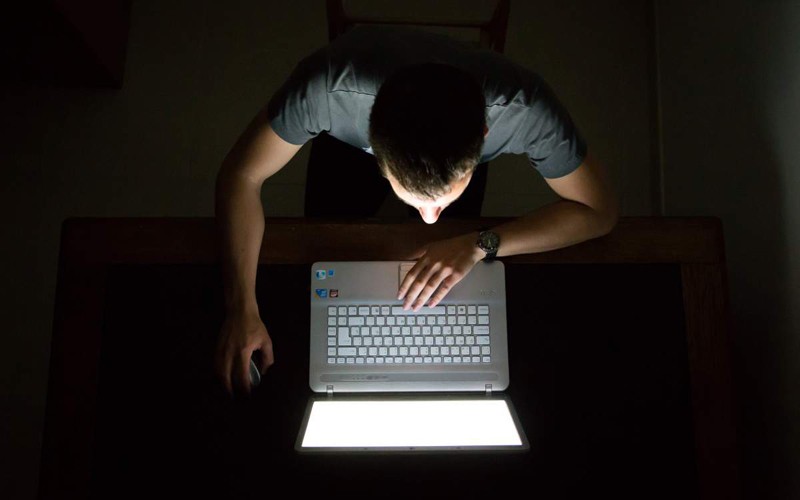
Excessive use of a PC causes a series of eye problems. Many of its symptoms have already been classified by specialists and given rise to a new illness called computer vision syndrome (CVS). If you’re thinking "Goodness, I’ve never heard of that!" there’s a reason for it. The name is quite new. This problem is one of the many others that have arisen with the advance of technology.
time.com
Excuse the pun, but it’s good to keep an eye on this illness, OK?! =D
Understanding the problem
Computer vision syndrome can affect any person who frequently spends more than two hours in front of a PC. Let us explain why: as monitors are constituted by pixels—those tiny colored dots that make up the image and are used as a parameter for the screen resolution—we put a large amount of effort into maintaining focus on them. This adds stress to our eyes’ focusing muscles.
Imagine how tired your legs feel after you exercise them. Well, the same happens with your eyes.
Tiredness causes burning, redness, difficulty in focusing on the image, headaches, and discomfort in bright environments. Blinking less because of the effort to focus also helps worsen the symptoms, and since the role of blinking is to lubricate the eyes, they become dry.
How not to become a statistic
Do you spend too much time in front of a computer monitor because of your work or any other activity but don’t want to become a statistic? Simple care is enough for you not to join this list. Check this out:
Shutterstock
— Pay attention to your posture! A bad position can speed up the eye fatigue process;
— Don’t have air-conditioning or fans pointing directly at your face. Environments with poor lighting also contribute towards your eyes getting tired more quickly;
— Prefer LCD screens. They have a better resolution and lighting, which tires your eyes less;
— Blink, even though it is intentionally. By lubricating your eyes, you prevent some of the symptoms of the syndrome;
— Establish a pause. If you use the computer for an hour, for example, take 10 minutes away from it to rest your eyes;
— You’re no longer sitting at your PC? Don’t rush to the TV or to the book shelf! Look for relaxing tasks to do.
#LetsTakeAction
The syndrome is a risk to the health of your eyes, but it can be treated. Everything will be resolved if you’re having medical treatment—which may include contact lenses and eye drops for preventing your eyes from drying out—and adopting the care we mentioned before, combined, of course, with a more moderate use of your computer. ;)
However, if this illness does not receive suitable treatment, it may become much more complicated, sometimes turning into a presbyopia. This usually occurs as part of the aging process, but may be brought on earlier by the excessive and continuous use of a computer.
![Joinville, SC — O bolo de aniversário da LBV estava uma delícia e as crianças atendidas aprovaram :]](https://multimidia.boavontade.com/sites/default/files/img_3433_0-1920.jpg)
![Joinville, SC — Todos os anos, a LBV garante um Natal mais feliz a milhares de famílias. Já é uma tradição a entrega de cestas de alimentos a famílias de baixa renda em todo o País! =]](https://multimidia.boavontade.com/sites/default/files/img_3505_1920.jpg)


![São José, SC — Todos os anos, a LBV garante um Natal mais feliz a milhares de famílias. Já é uma tradição a entrega de cestas de alimentos a famílias de baixa renda em todo o País! =]](https://multimidia.boavontade.com/sites/default/files/img_2738-1920.jpg)